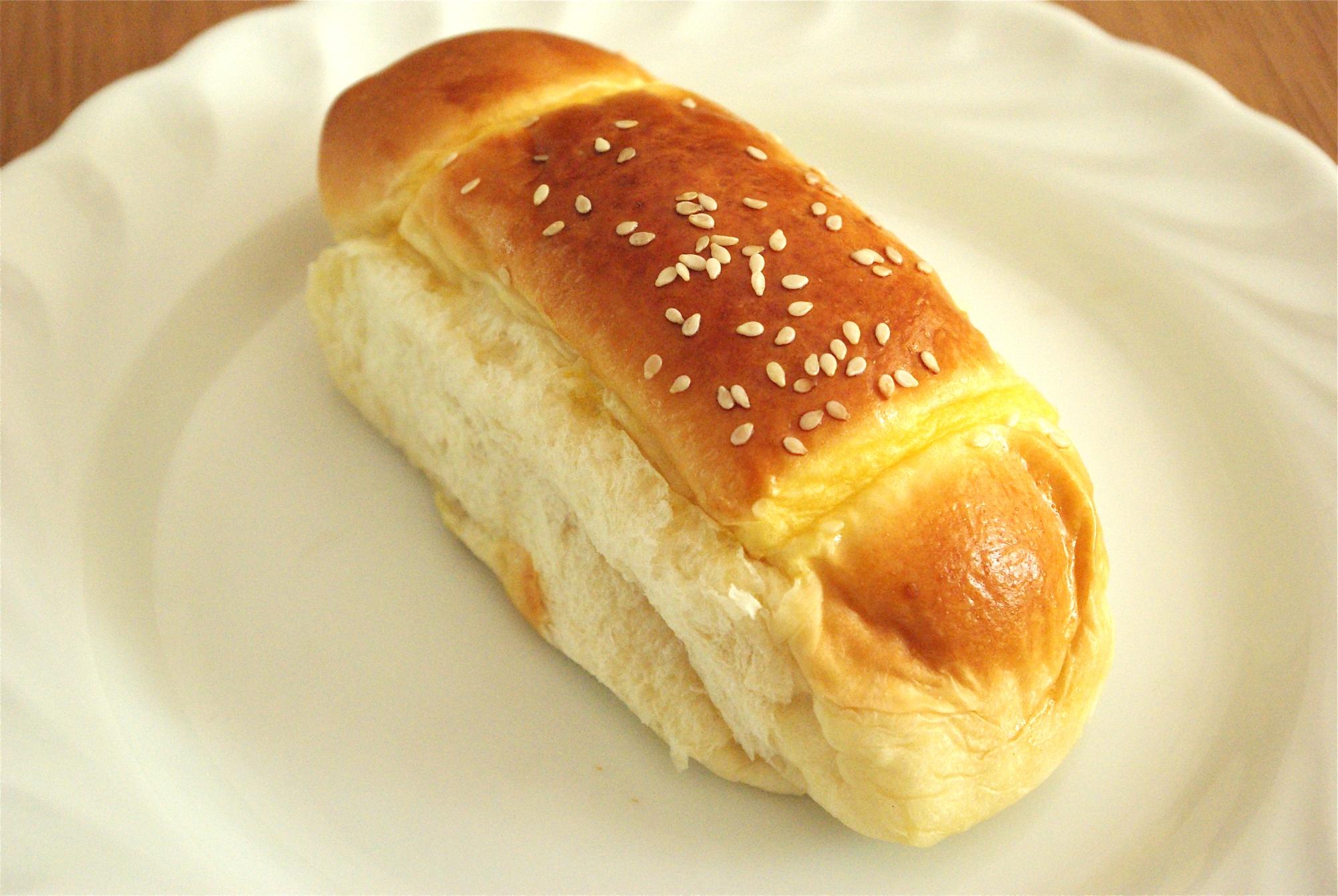

When it comes to Cantonese dim sum and baked goods, most will point at the famed steamed char siu bao (叉燒包), the crispy pineapple bun (菠蘿包), or turnip cakes (蘿蔔糕) as their favorite staples. However, Hong Kongers know of a lesser-known local baked treasure, a symbol of harder times for the Pearl of the Orient: the famed cocktail bun (雞尾包). With its golden soft exterior sprinkled with sesame seeds and a melty coconut filling, this classic in Cantonese bakeries is unfortunately not commonly found in Japan, but its relative rarity here does not diminish its value. The cocktail bun remains a must-eat if visiting Hong Kong for its distinct shape and buttery taste that is fairly different from other Hong Kong-native baked goods.
Humble Beginnings

The cocktail bun is said to have originated in 1950s Hong Kong, as the city recovered from World War II, which had traumatized and ruined much of East and Southeast Asia. Bakery shops noticed that unsold but perfectly edible buns are often wasted, which was especially disconcerting during a time of great scarcity. Hence, bakers came up with a solution by grinding up the unsold buns, adding sweet leftover fillings of coconut and sugar, and fresh dough wrapped around the mixture. This resulted in the first cocktail bun ever made, named for its “mixed” nature, similar to a real cocktail, and it has remained a local favorite ever since.
A Delightful Taste

The modern cocktail bun has evolved from its leftover origins and has now become more standardised. The exterior of the bun is a typical soft golden-brown breaded texture, giving it an initial feel in the mouth similar to other baked goods, such as pigs in a blanket. Noticeably, cocktail buns would often be decorated with stripes, and sesame seeds would be sprinkled on top.
The real magic is found with the grounded coconut filling. Buttery and rich, the sweetness does not feel artificial, and the tender creaminess allows the filling to melt in the mouth perfectly. Each continuing bite delivers a most sensational culinary experience with a hint of pleasant tropical aromas wafting around, and replicates the comfort of home for any overseas Cantonese.
Conclusion
The cocktail bun came from humble beginnings, but remains a jewel amongst baked goods from Hong Kong. It represents the city’s rich and interesting culinary history very well, and a taste of this sweet classic will make fans yearn for “just one more bite.” If visiting Hong Kong, a trip to a typical street bakery shop is recommended, and the cocktail bun should be an essential part of that.