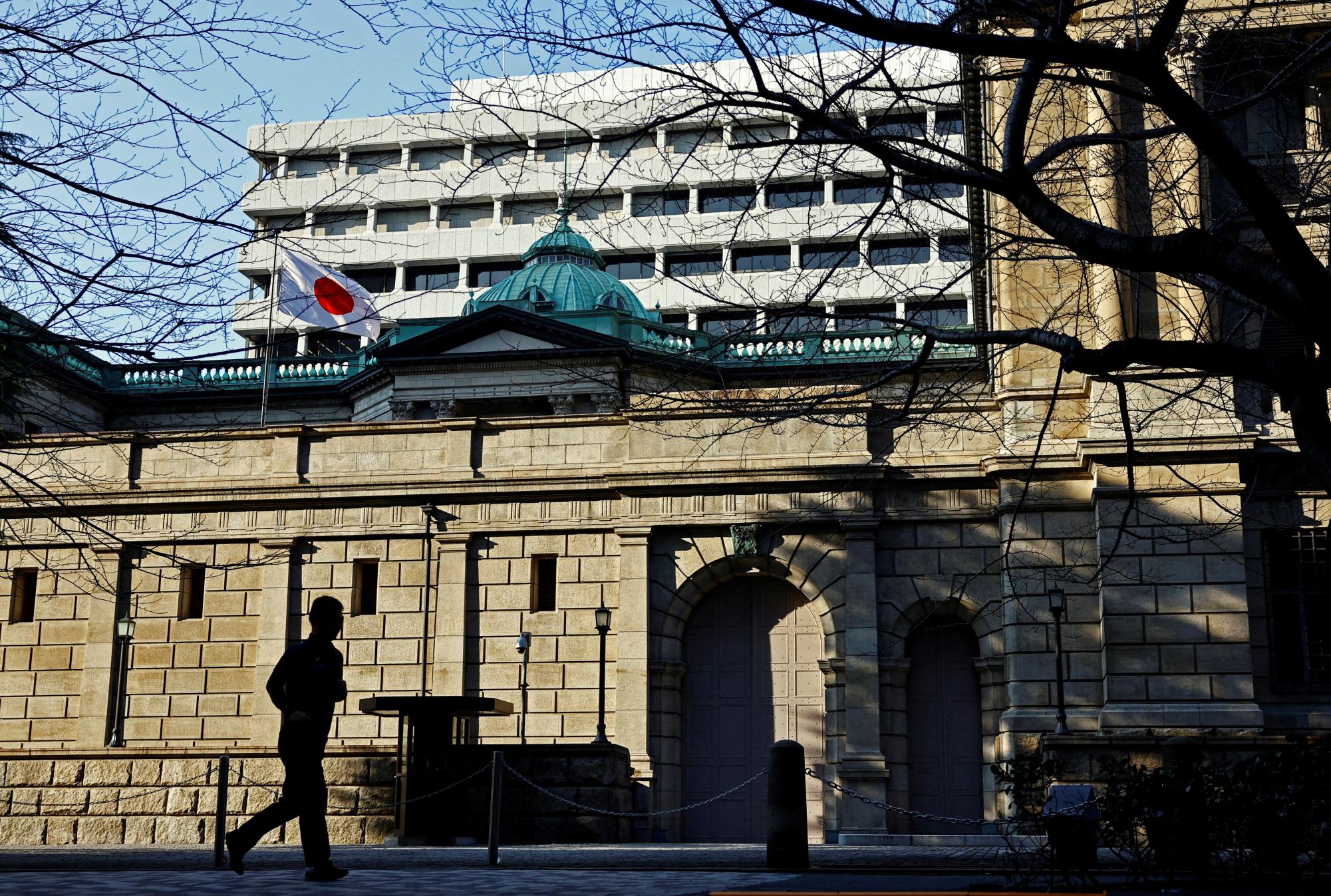
The Treaty of Kanagawa is a historical treaty between America and Japan, more specifically Commodore Matthew C. Perry and Tokugawa Iesada. The treaty opened up Japan to foreign countries after its famous period of isolation, allowing free access ports of Shimoda and Hakodate to Americans. Moreover, it also allowed for an American consul to be stationed in Japan. Although it was not very beneficial towards the Japanese, it highlighted the strengths of foreign power, developing diplomatic relations with the previously-isolated Japan, and greatly integrated American influence in the country.
THE TREATY
The treaty entailed three main points: the opening of ports, the guaranteed humane protection of American ships and sailors, and the establishment of American presence on Japanese territory. While these points appear to be limited, they signified a great shift in Japan’s foreign policy, which remained reserved due to isolation. For approximately 200 years, Japan had maintained sakoku, a period of national seclusion from other nations, restricting foreign trade and the country’s susceptibility to foreign influence. The Treaty of Kanagawa effectively ended this policy, despite it no yet establishing full trade relations.
IMMEDIATE EFFECTS
The treaty exposed the weakness of the Tokugawa shogunate and its governmental system in the face of Western military power. Commodore Perry’s arrival with modern warships evidently clarified that Japan could not resist foreign demands when faced head-on with brute force. This led to internal political tension between supporters of the opening of Japan and those who opposed the treaty and willing to maintain isolation. The treaty also set a precedent for Japan’s future cultural and political agreements, of which many were unbalanced and favored Western nations, further undermining the shogunate’s authority.
LONG-TERM IMPACT ON JAPAN
Shaping modern Japan, the Treaty of Kanagawa played a crucial. It directly contributed to the collapse of the Tokugawa shogunate and laid the foundation for the subsequent rise of the Meiji Restoration in 1868. During this period, Japan rapidly modernized its government, military, and economy to compete with Western powers; this allowed Japan to balance out negotiation terms and even give Japan leverage to negotiate in some case. The treaty also marked the beginning of Japan’s transformation into a global power, and one of Asia’s leading nations, as it adopted Western technologies and systems while maintaining its rich cultural identity.
THE MODERN DAY
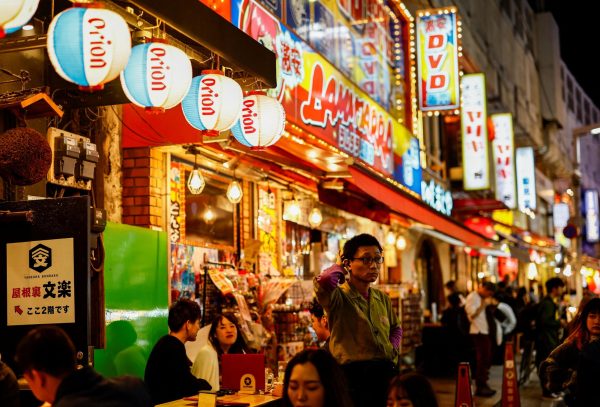
The treaty continues to shape modern Japan by marking the beginning of its transition from isolation to internationalization. Following its opening of its ports and interactions with Western powers, the treaty exposed the need for modernization, and thus led to it. Japan now stands as a leading nation in developing technologies, Asia’s economy, and a diplomatic power that is respected around the world. The influence of the treaty on the present marks the fruition of the Treaty’s influence and what followed.
CONCLUSION
Although the Treaty of Kanagawa was initially seen as a forceful and unfair agreement, it ultimately acted in favor of Japan, marking its transition and turning point in Japan history. By opening Japan to the rest of the world, Japan was able to become the country we know today.


