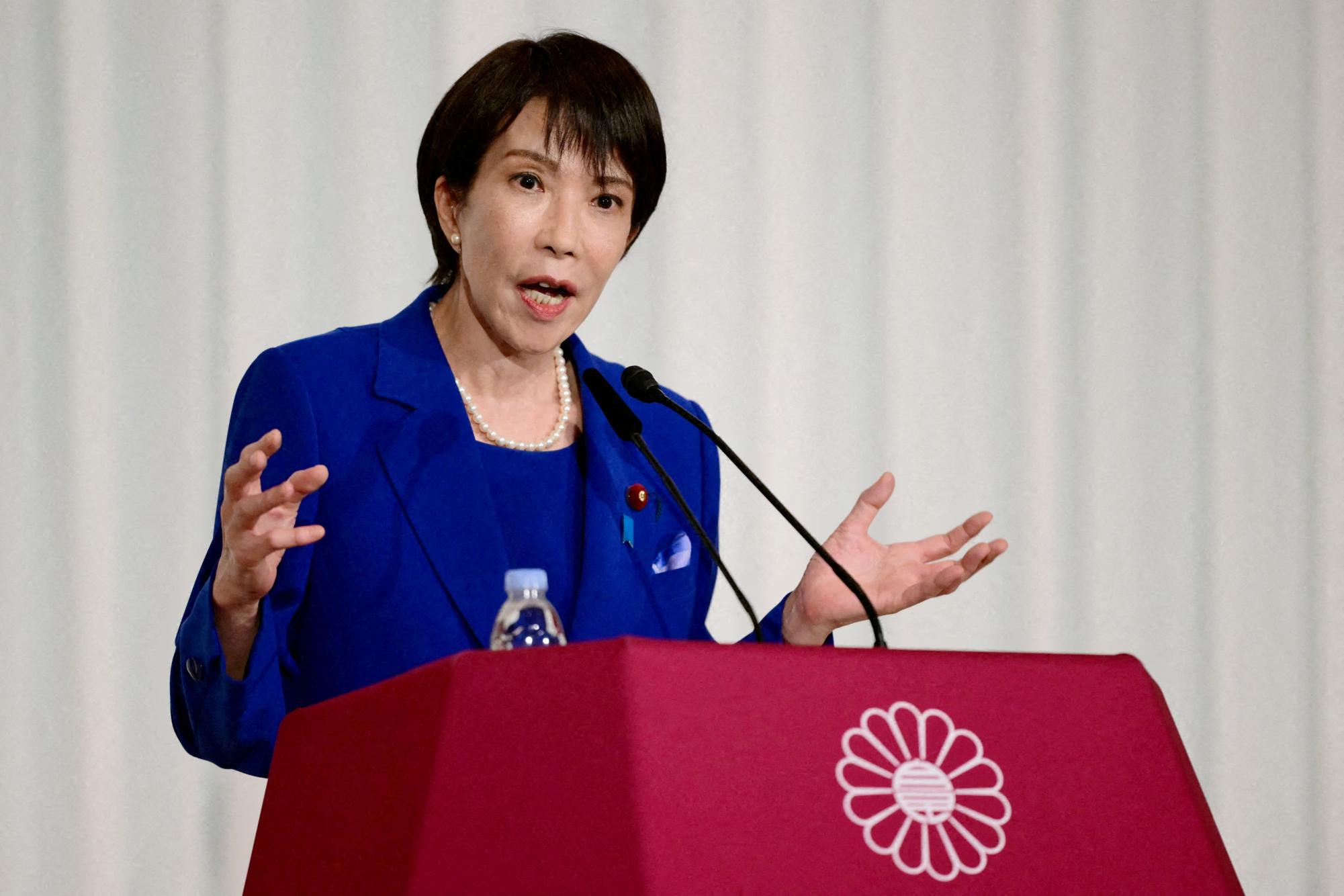
In November of 2025, Japan’s newly elected Prime Minister Sanae Takaichi released statements regarding the situation in Taiwan, including implicit threats towards China if it took any military action against Taiwan. “If warships are used and other armed actions are involved [in Taiwan], I believe this could constitute a survival-threatening situation,” the Japanese prime minister had made it clear that it would see a Chinese invasion on Taiwan as a sufficient threat to escalate the situation and consider military action along with Western allies. This statement from at the time, quite new prime minister, elicited multiple statements from China, condemning these threats from Japan.
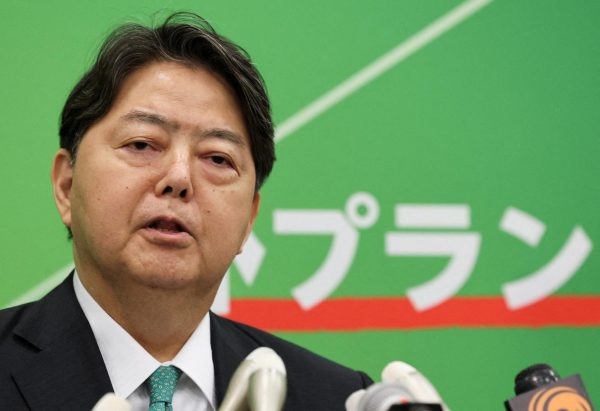
Now, on 18th March of 2026, the United States of America released it’s annual threat report, diagnosing countries around the world on how much of a threat they pose to the country. In it’s section about China and Taiwan, the United States pointed out that Japanese prime minister Sanae Takaichi’s recent statements regarding the situation in that region “… represent a significant shift for a sitting Japanese prime minister.” The Japanese government was quick to make a statement on the comment, rejecting the United State’s assessment on Japan as “inaccurate,” less than a day after the report was released. Yoshimasa Hayashi — the Japanese government’s top spokesperson, argued that Japan’s fundamental stance on Taiwan had not shifted dramatically at all, but rather was still based on Japan’s goal to maintain peace and stability in the Taiwanese region. Other Japanese officials have since relayed multiple statements regarding the United State’s threat assessment. However, the message has remained consistent in the sense that all these officers are quick to remind the world that the Japanese doctrine and past Japanese actions have not been contradicted in any way, shape, or form through these statements. With the foreign world holding a completely different perspective on Japan’s political future in contrast to Japanese residents, this dissonance brings a chance for potential conflict between Japan and the rest of the world?


