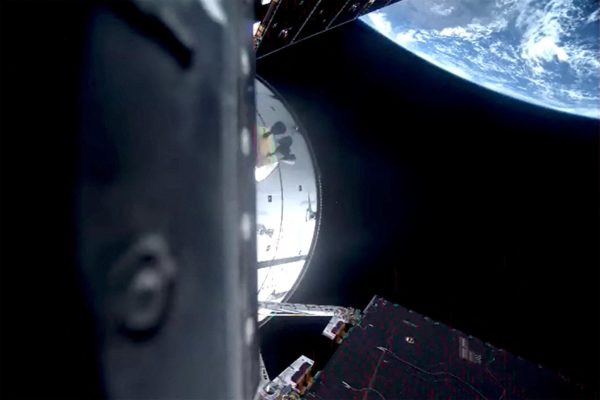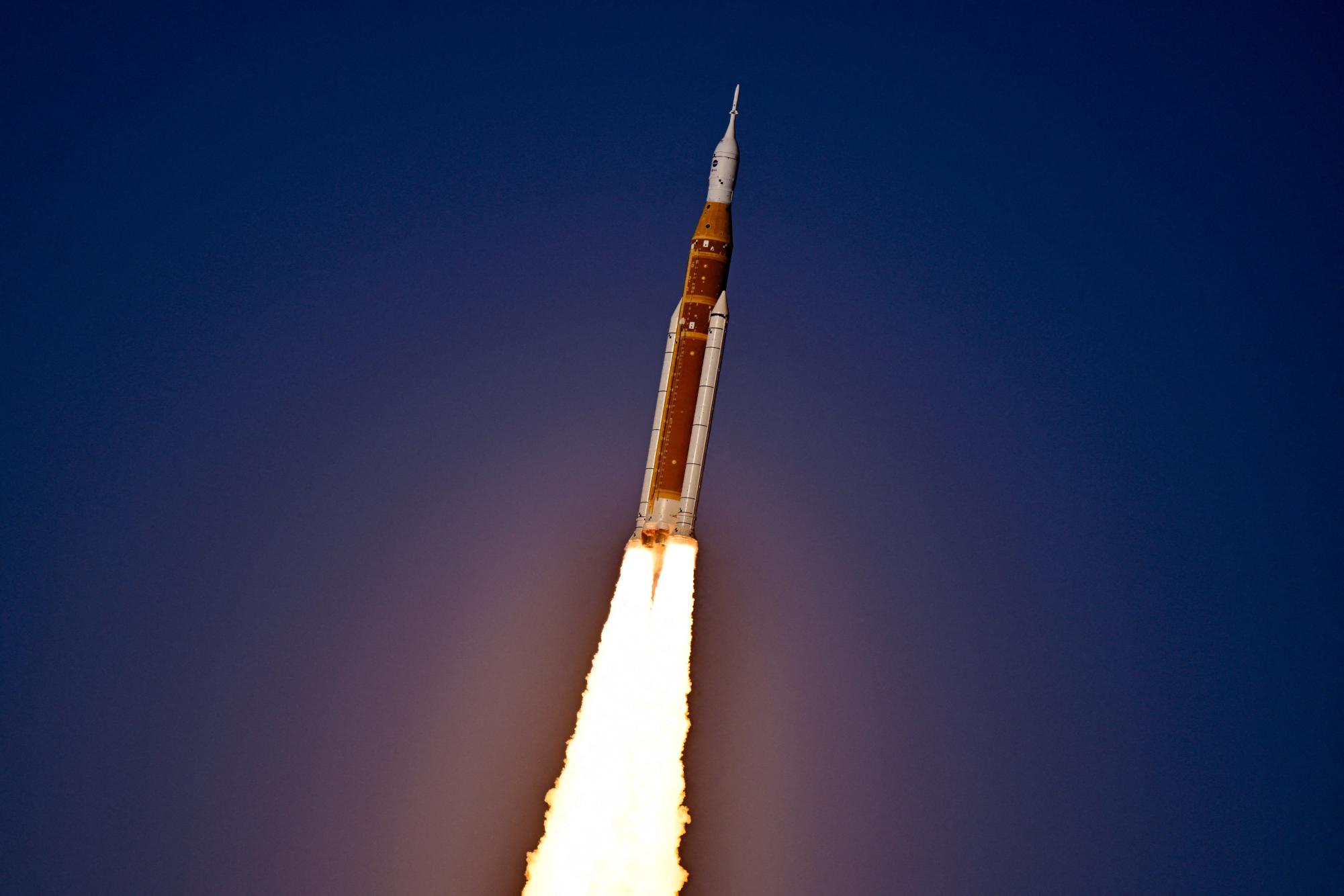
The Artemis II mission marks NASA’s return to deep space, five decades after the Apollo astronauts left the lunar surface. While the 1960s Space Race was defined by Cold War competition, the long gap that followed was a result of shifting national priorities. History teacher Mr. Douglas notes that the “political will” and unity of the Apollo era were fractured by the Vietnam War and the Watergate scandal, causing the U.S. to lose its focus on lunar exploration. He continued that Artemis II is not just a technical milestone, but a historically significant event because it shows the attempt to “reconnect with that earlier NASA experience”, and regain the scientific drive of the 1960s. Today, the mission has evolved from a political competition to a pursuit of human advancement through long-term sustainability and international cooperation.
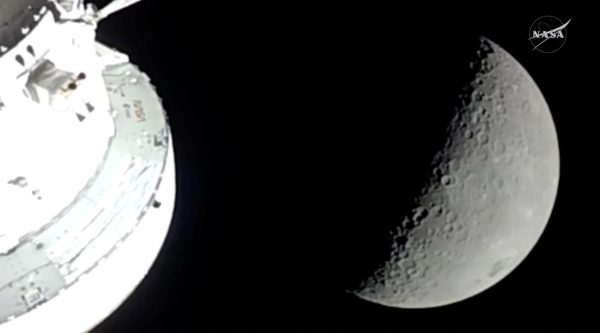
Beyond the technical milestones, Artemis II brings back some of the many iconic traditions of lunar exploration, most notably the period of total isolation known as “radio silence.” As the Orion spacecraft passes behind the moon, all communication with earth will be blocked. Same thing happened with Apollo mission, and this 40-minute window of complete disconnection with the rest of the humanity reminds us of the immense scale of space.
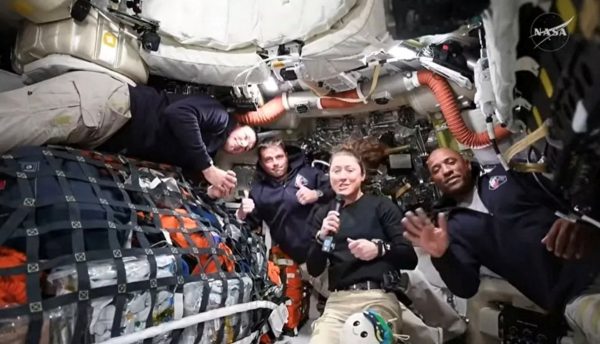
The Artemis II crew symbolize a shift from Apollo era. Unlike the all-white, male test pilots of the 20th century, this mission includes a diverse group: the first woman, the first person of color, and the first Canadian to venture beyond Earth’s orbit. Mr. Douglas mentioned that while women and people of color were accepted into NASA programs in the 1960s, they were often “denied access” to the actual missions. He describes today’s diverse crew as the “fulfillment of the promise” of the original NASA programs, reflecting the progress made in equality and equity over the last fifty years.
Ultimately, the historical significance of Artemis II will be measured by the spark it provides for the next generation of scientists, engineers, and dreamers. Mr. Douglas hopes that Artemis II, alongside private ventures like SpaceX, will inspire students to see space as a “possible career path” rather than a distant dream. As the number of explorers grows beyond the original twelve astronauts, the mission’s long-term effect will be to normalize space exploration for those currently in the classroom. The long-term effects of this mission likely extend far beyond 406,771 kilometers – the furthest distance from earth to the Orion spacecraft – reshaping future careers of current students, creating a new “Artemis Generation”.