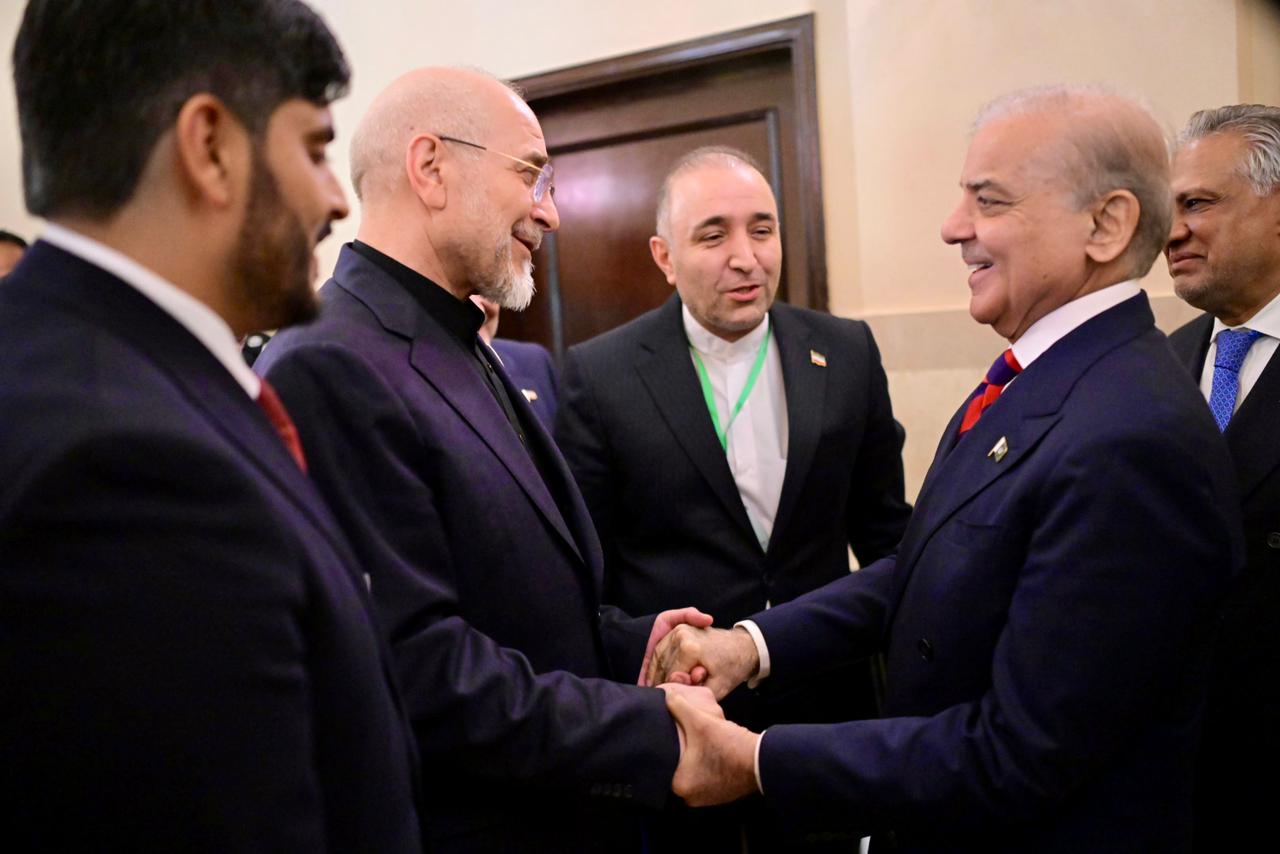
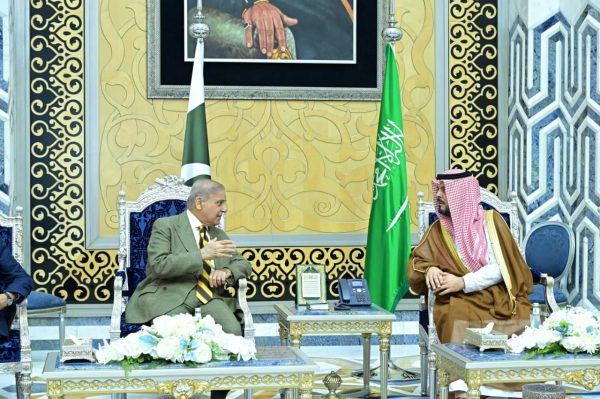
As rumours of J.D. Vance returning to Pakistan for a second round of negotiations arise as of the time of writing, political analysts have been astounded by the unexpected events that have occurred since the beginning of March this year. Recently, Pakistan has emerged as the primary mediator in the conflict between the United States of America and Iran. With oil prices for the Pakistani government skyrocketing to 101$ per gallon as of the time of writing, Pakistan decided to mediate the conflict between the two countries to enforce a ceasefire and allow the export of oil back into Pakistan. In hindsight, Pakistan shares a 909 km border with Iran and also maintains deep cultural and historical ties with Tehran. Additionally, having aided the United States during the Cold War and the War on Terror, it makes sense that Pakistan was one of the only countries with cordial relations with both sides, making it a strong candidate as a mediator. Almost 4 million Pakistani citizens working in the Gulf countries (United Arab Emirates, Saudi Arabia, Oman, Qatar), which are some of the countries that are affected by the conflict. In this context, the Chief of the Army Staff (COAS) of Pakistan, Field Marshall Asim Munir, is visiting Tehran, Iran to persuade the Iranian leadership to cease hostilities and agree on permanent peace. Furthermore, Pakistani Prime Minister Shahbaz Sharif has recently visited Saudi Arabia, Qatar, and Turkey to promote the peace proposals being discussed between Iran and the United States.
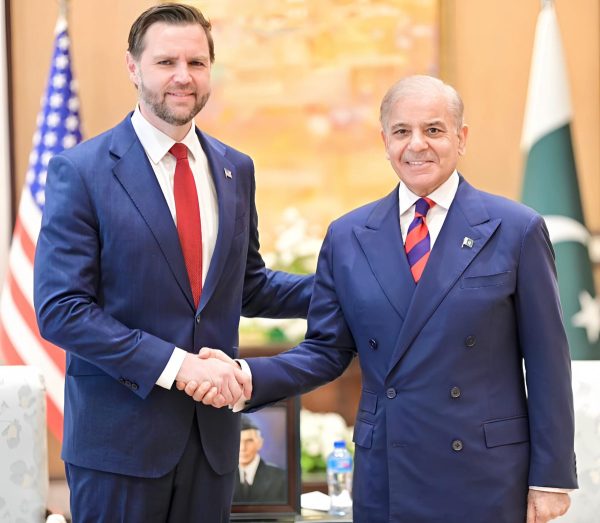
“Why is President Trump not in Pakistan, and why did he put his substitute into Pakistan? Why is he not directly there? [This is important] because there’s a difference between a vice president going to a country to mediate with the despot of Iran, versus a president mediating directly,” International Baccalaureate History and Economics student, Michal (’26) poses an important question, and also one that shows America’s unwillingness to fully commit to the possibility of mediation between itself and Iran. In contrast to previous negotiations, Michal states “To put this into perspective, in the 1970’s President Richard Nixon actually flew over to China to directly mediate and to engage in what became known as ‘Ping Pong Diplomacy’… And another situation occurred in 1989 when President Mikhail Gorbachev from the USSR traveled to China directly to mediate the Sino-Soviet split.” Trump’s absence from the negotiating table suggests that for the United States, the prospect of peace with Iran may still be secondary to the preservation of political optics at home.
As of the time of publishing, the possibility of a second round of negotiations rekindle hope for a permanent resolution. However, Michal highlights that even if a treaty and/or ceasefire between Iran and America is agreed “… Just because a pen is put on paper doesn’t mean that there is really going to be any long-term stabilization of the economy.” The primary reasons for this, Michal pointed out, were the “massive, massive, Middle-Eastern stereotypes that they’re [all governments] all members of terrorist organizations,” perpetuated by Western governments.
Furthermore, it would be naive to ignore the stakes that the State of Israel (מְדִינַת יִשְׂרָאֵל) has in the situation. As the country that has coordinated the most attacks against Iran, Israel will, without a doubt, resist the current efforts being made for a ceasefire. “I think the Israeli reaction will be really negative, and it will be one of active animosity and suspicion towards Pakistan… Israel is standing on the U.S. side… So there is this active division between the two” Michal notes. Indeed, Israel’s aggression that has been focused on Iran for the past few years is expected to also be directed to other strong, Muslim countries in the region in the following months and years.
As the situation continues to develop at a tremendous pace, the road to a sustainable peace remains one fraught with long-standing enmity and conflicting agendas. In light of Pakistan’s unprecedented decision to get actively involved in the mediation process between the US and Iran, one can say that this is certainly an important point in history for not just the region, but for emerging middle powers as a whole. “What we see right now, with Pakistan having effectively created a condition for the ceasefire to occur, is that less economically developed countries still have a say in regional politics… This really shows that global powers like the U.S., China, etc. don’t have to always be the ones who mediate conflicts,” Michal highlights. Whether or not an accord is signed in Islamabad, Pakistan, in the days to come, it is clear that the paradigm for global diplomacy and international relations has shifted ever so slightly for years to come.