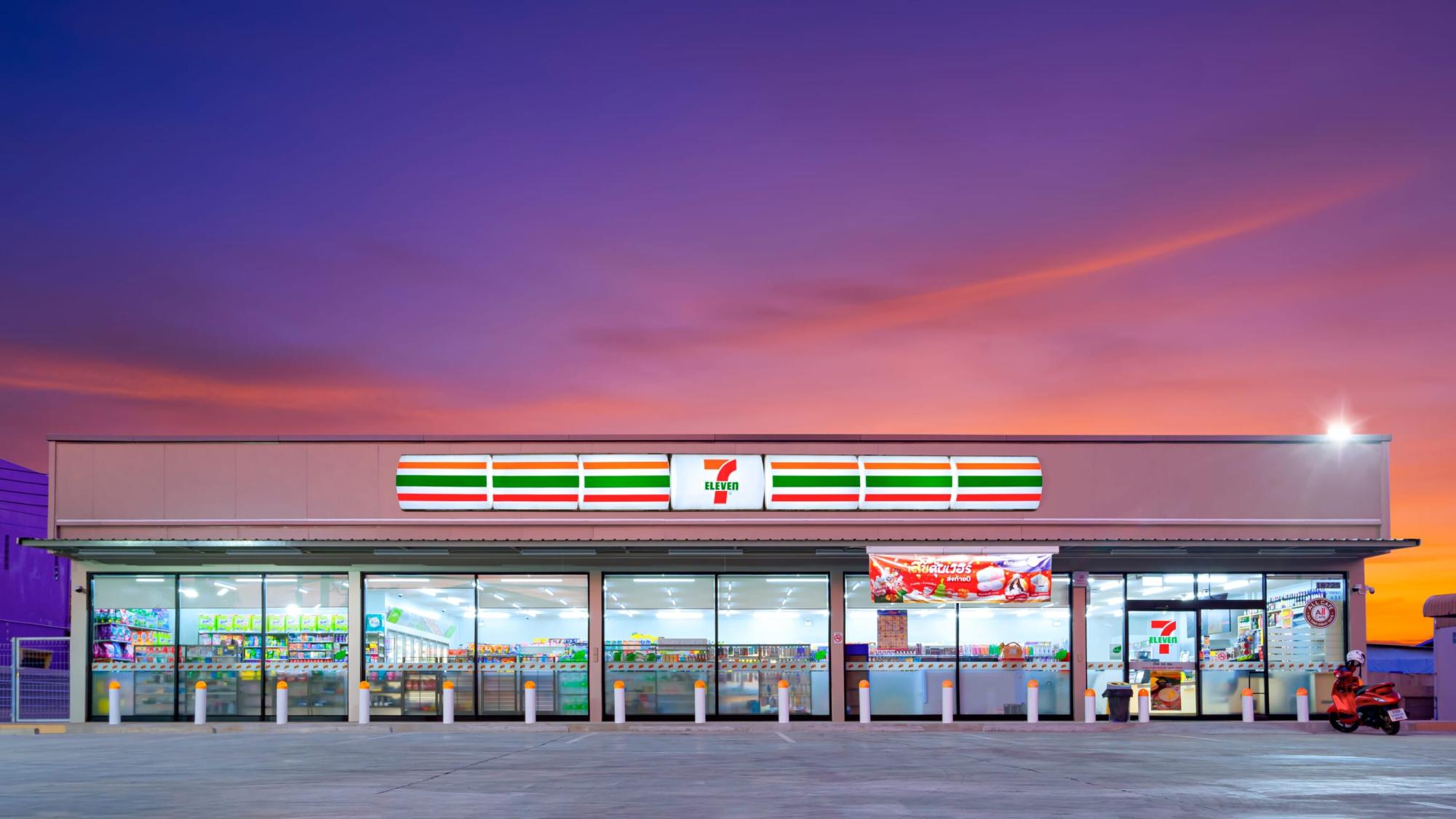

Every day after school, students drift into the nearest konbini, whether it’s Lawson, FamilyMart, or 7-Eleven. For many teens in Japan, these stores are built into the rhythm of daily life, almost like an extra stop between school, cram sessions, and home. What makes konbini so essential is not just their convenience, but how naturally they fit into student routines. This article explores why they matter so much to teens and what keeps them central to everyday life.
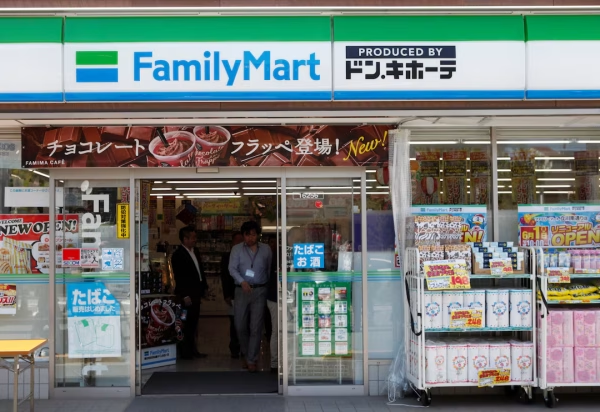
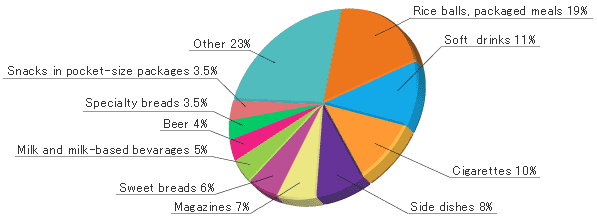
Konbini are everywhere on busy streets, next to train stations, tucked between apartment buildings, and they’re open all the time. Inside, shelves are filled with cheap, ready-to-eat foods like rice balls, karaage, noodles, sandwiches, salads, and even full bentos that can be heated up in seconds. Drinks range from milk tea and bottled matcha to sports drinks, fruit sodas, and seasonal lattes. Students also rely on konbini for everyday essentials: deodorant wipes, phone chargers, hair ties, pens, notebooks, and even emergency umbrellas. Because they carry a bit of everything, teens know that whatever they’re missing, the konbini probably has it.
For teens, especially, konbini fit perfectly into their lifestyle. Many students grab breakfast there, like tuna mayo onigiri, egg salad sandwiches, melon pan, or croissants when they’re running late. After school, the options get even broader: dorayaki, taiyaki, hot snacks like Famichiki or Karaage-kun, chocolate bars, pudding cups, parfaits, and limited-edition flavored chips. Drinks like iced tea, Calpis, canned coffee, and seasonal sodas are cheap and reliable. It’s not just about the food either—konbini feel safe, familiar, brightly lit, and predictable, making them one of the easiest places for teens to stop, recharge, and relax for a minute.

According to Wonwoo Choi ’28, stopping at the konbini is part of his routine. “I go almost every day after school because it’s right on my way home,” he said. “I usually buy tea or an onigir,i it’s cheap and fast.” He also explained why certain chains stand out. “Lawson is my favorite because they always drop new desserts. Sometimes it’s a new cheesecake, sometimes a weird flavor of roll cake. It feels like there’s something different every week.” His experience shows how konbini keep students coming back not just for what’s familiar, but also for what’s new.
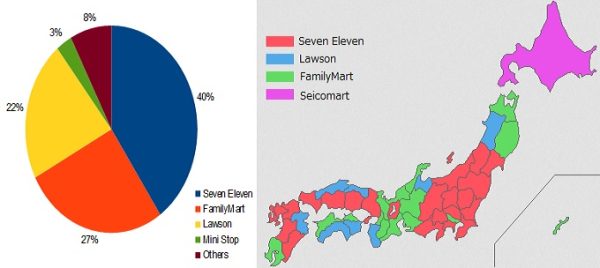
Behind the scenes, konbini companies are constantly competing for teen attention. The “new product” shelves are refreshed every Tuesday, filled with limited-time snacks like sakura mochi ice cream, yuzu gummies, peach sodas, or seasonal pastries. Chains try to outdo each other with creative items: Lawson collaborates with famous bakeries, FamilyMart releases special FamiChiki flavors, and 7-Eleven introduces premium sandwiches and desserts. Teens notice these changes immediately, and many enjoy trying whatever is trending that week.
Still, konbini culture isn’t perfect. Teens often spend more money than they expect because a drink here, a croissant there, and a random dessert can quickly add up. And while the food is delicious and convenient, it’s not always the healthiest option, especially when snacks like fried chicken, sugary drinks, and desserts become a daily habit.
Despite the downsides, konbini remain deeply woven into student life. They shape routines, offer comfort and familiarity, and make daily schedules easier to navigate. Whether students stop in for breakfast, buy a late-afternoon snack with friends, or pick up something they forgot to pack, konbini stays a constant presence. As long as teens keep relying on them for convenience, comfort, and quick treats, these stores will continue to be an essential part of everyday life in Japan.


