

These were the words uttered by John F. Kennedy at Rice University Stadium under the radiant Texan sun, on September 12, 1962, that would influence decades of scientific development in the United States.
At the time of the speech, many people around the world and in America were losing faith in the Land Of The Free and Home Of The Brave’s ability to win the Space Race against the Soviet Union. Previously, the Kremlin had sent both the first satellite and a man into space. However, Kennedy and his administration were convinced of the political benefits of proving space superiority. After consulting numerous experts in the field, set on landing a man on the Moon, among other options such as launching a space station and orbiting a man around the Moon.
Initially, this plan wasn’t well-received. After Kennedy stood before Congress on May 25, 1961, on the plan, a Gallup poll indicated that almost 58% of Americans opposed the plan. To many, it was simply too frivolous and unattainable. However, the President was determined to win over the public. His efforts in doing so, with the support of famed speechwriter Ted Sorenson, led to him delivering his famous “We Choose To Go To The Moon” speech at Rice University in Houston, Texas.
In the speech, Kennedy’s rhetoric evokes the exploration of the American frontier in the early days of the new nation and frames the mission as a global effort. This was done to a great effect and effectively laid the groundwork for both public and government support of NASA (National Aeronautics and Space Administration). Even after Kennedy was tragically shot in 1963, his legacy in promoting space exploration continued and was eventually realized in the Apollo 11 mission that carried Neil Armstrong, Buzz Aldrin, and Michael Collins. Space travel then became a source of pride for Americans and ensured its scientific importance for future American presidents.
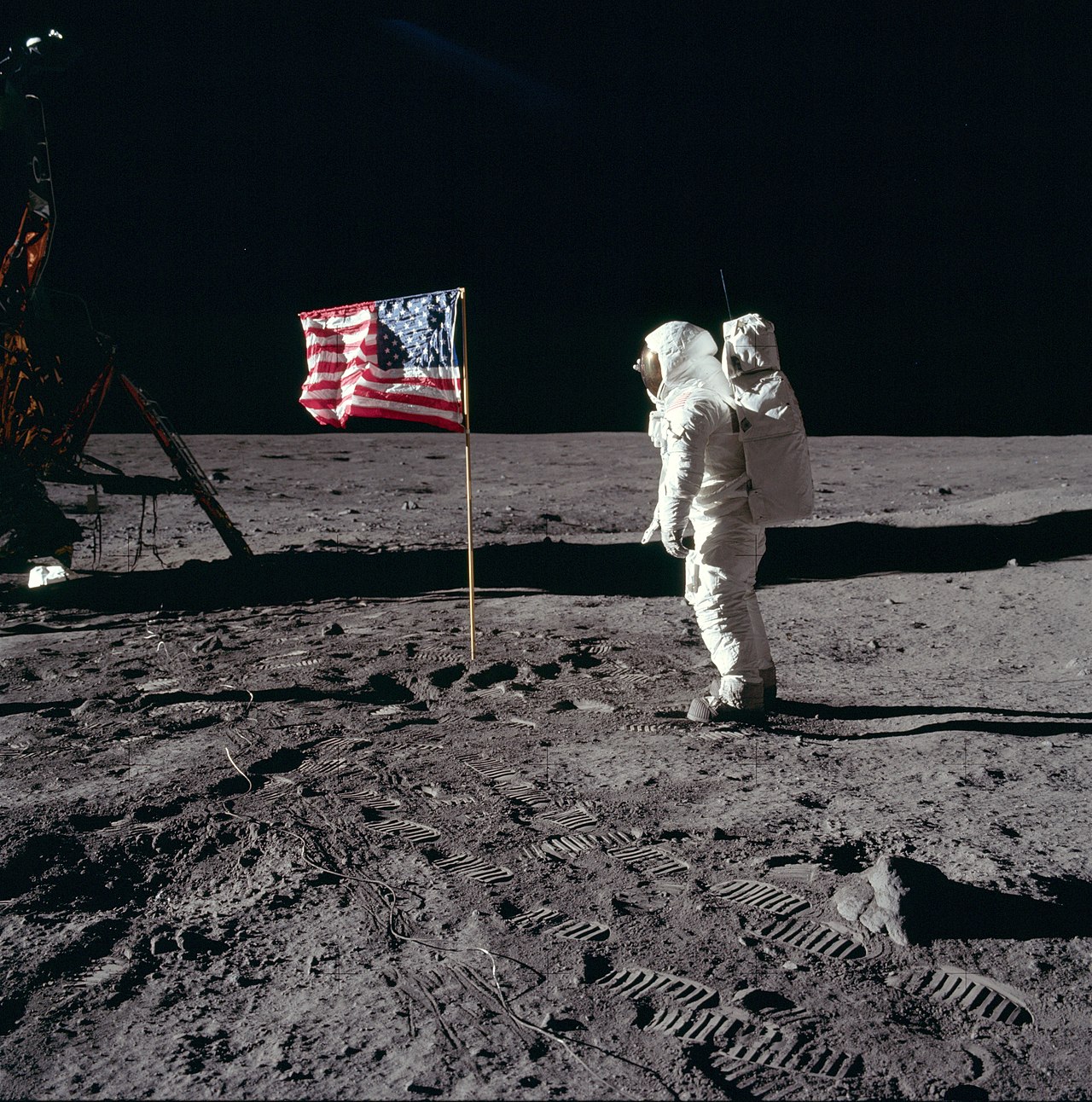
Long ago, men looked upon the stars and galaxies and dreamt of their mythical heroes looking down upon them from the skies. Kennedy’s speech launched real human heroes to venture into space and ensured that another corner outside of Earth was now mankind’s, forever. This continued to be relevant with the upcoming Artemis III mission that aims to be the first mission to send people to the Moon in over 50 years.
One fact is certain: Kennedy’s speech at Rice University lives on beyond the lifetime of his generation, and will continue to do so for many generations to come.