
The college sports industry is a tremendous source of income for universities, with schools profiting from ticket sales, TV contracts, merchandise sales, and sponsorships. However, most athletes were previously unable to receive any direct compensation beyond scholarships due to the ban on athletes profiting from their name, image, or likeness. However, the NCAA pivoted from this policy in July 2021, allowing athletes to get a slice of the revenue these schools generate finally. This change has revolutionized collegiate athletics by redefining athletes as marketers and profitable economic assets rather than simple, unpaid amateur athletes.
Before the Name, Image, and Likeness system (NIL), universities and coaches received the majority of the financial gains generated by athletic programs. Major college football and basketball programs earned millions of dollars from media rights, apparel partnerships, and postseason appearances, while athletes themselves had limited opportunities to earn anything. NIL changed this arrangement by allowing athletes to sign endorsement deals, monetize their social media presence, appear in advertisements, and create licensed personal brands and products. As a result, athletes now receive compensation and earnings that are tied to the value they create.
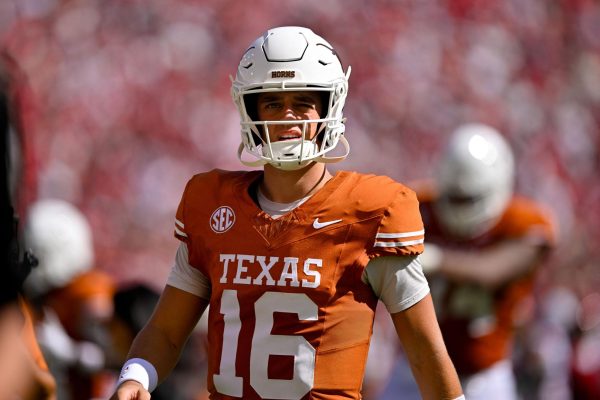
One of the clearest effects of NIL is the rise in athlete market valuation. Today, numerous elite athletes can earn up to six-figure or even seven-figure deals through sponsorships and partnerships with brands. Notably, high-profile players such as Texas quarterback Arch Manning and Ohio State wide receiver Jeirmiah Smith have received multimillion-dollar endorsements thanks to their athletic talent and large social media presence. These athletes demonstrate that the economic value in college sports is no longer only based on performance, but rather also on personal branding and audience reach.
NIL has also changed the recruiting scene. In the past, universities competed through facilities, coaching staff, scholarships, and team traditions. Now, many athletes consider NIL opportunities as a major factor when choosing a school. Programs that are backed by wealthy alumni or those that play in larger media markets are able to offer more to the recruits. However, this has widened the financial gap between the major, powerhouse athletic programs and smaller, developing institutions, reducing the amount of ‘upsets’ that occur in tournaments like March Madness.
In addition, NIL has encouraged athletes to think more like entrepreneurs. Many now hire agents, attorneys, accountants, and marketing advisors to manage contracts and taxes. This professionalization means college athletes increasingly resemble early-career business professionals managing personal brands and multiple income streams.
The economic environment changed again by the House v. NCAA settlement, allowing Division I members ( schools ) to share revenue with athletes beginning in 2025. The allowance would have a potential annual cap of approximately $20.5 million per member, demonstrating another shift away from the amateurism model of athletics. Athletes may receive direct shares from the athletic department in addition to outside NIL payments.
NIL has completely changed how college athletes are viewed economically. Athletes were once considered simply students who received scholarships; however, now they are recognized as individuals whose abilities impact the market. Despite challenges regarding equality and regulation, it has already dramatically changed the landscape of college athletics by providing a direct link between the compensation athletes receive for their work and the revenue they create.
Works Cited
Hosick, Michelle Brutlag. “NCAA Adopts Interim Name, Image and Likeness Policy.” NCAA, 30 June 2021, www.ncaa.org/news/2021/6/30/ncaa-adopts-interim-name-image-and-likeness-policy.aspx.
Congressional Research Service. “Student-Athletes and Name, Image, and Likeness (NIL) Rights.” Congress.gov, 2024, www.congress.gov.
Rovell, Darren. “Highest-Paid College Athletes and NIL Valuations.” Business Insider, 2024, www.businessinsider.com.
Reuters. “Regulating Sports Agents in the NIL Era.” Reuters, 9 Feb. 2026, www.reuters.com.
Hosick, Michelle Brutlag. “NCAA Adopts Interim Name, Image and Likeness Policy.” NCAA, 30 June 2021, NCAA.org.

