Image from (https://www.rosterbound.com/component/content/article/balancing-sports-and-academics-in-college?catid=12&Itemid=101)
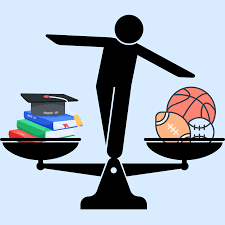
Balancing academics and athletics has become a major challenge for many students, especially those who compete in different sports year-round at St. Mary’s. With heavy school workloads, long practices, and limited free time, student athletes often struggle to keep up with everything expected of them. For many, this balance affects not only their grades but also their physical and mental health.
Former multi-sport athlete and TED speaker Paul Baynes understands this struggle firsthand. “My inspiration came from challenges I faced while navigating high school,” he said. He explained that being a year-round athlete meant he had “less time than many of my peers when it came to academics,” which made balancing both sides extremely difficult.
Baynes believes the biggest challenge student athletes face today is staying healthy. “I think the biggest challenge student athletes face is trying to stay healthy,” he said. He explained that this includes both the mind and body. “Lack of sleep as well as physical and mental stress make it harder to recover,” he added. Many students push through practice, homework, and late nights without enough rest, which increases stress and lowers performance in both areas.
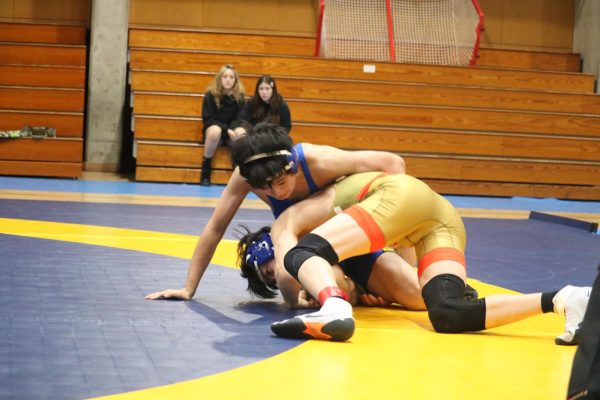
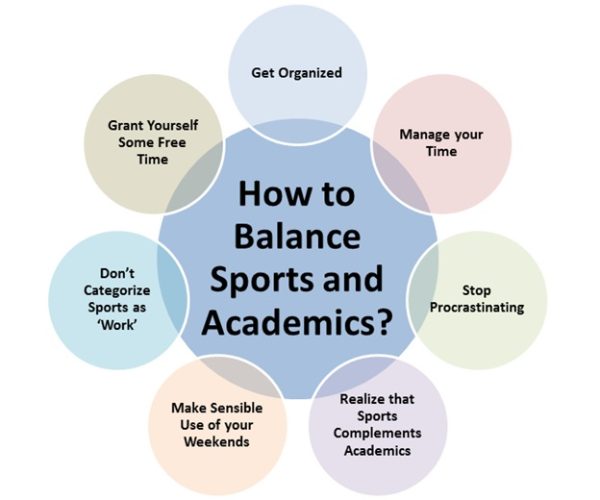
Time management is another major issue. Baynes admitted that he did not learn strong time management skills until college. “I didn’t develop great time management skills until my sophomore year of college,” he said. He explained that being proactive and blocking out time helped him manage school more effectively. He also emphasised that prioritising sleep made the biggest difference. “The better sleep I got, the better focus and physical health I was able to maintain,” he said.
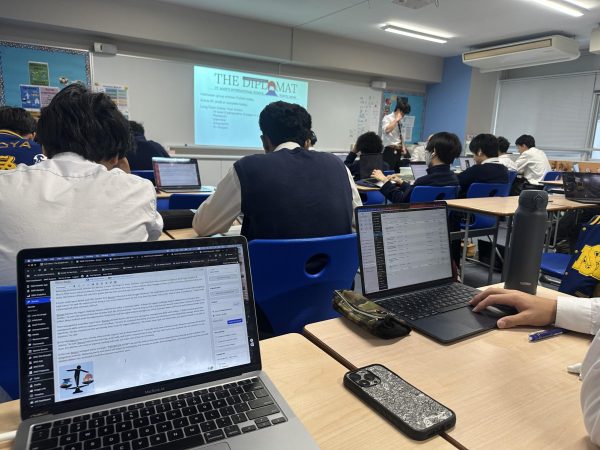
From what Baynes has seen, schools often provide support, but students must use it. “I actually think most schools provide adequate resources for student athletes,” he said. Baynes believes that tutoring, study halls, and teacher communication help, but they only work when students take the initiative to use them. For athletes who want to improve, seeking help early can make school less overwhelming.
In the end, Baynes’ strongest advice is simple. “PRIORITIZE SLEEP!” he said. He believes that rest is more important than staying up late to finish every assignment. Balancing sports and school will always be challenging, but focusing on health, time management, and using school resources can help student athletes stay successful in both the classroom and their sport.