









A recent Ebola outbreak in Central Africa has raised international concern after an American citizen infected with the virus was transported from the Democratic Republic of the Congo to Europe for treatment.
The outbreak involves the rare Bundibugyo strain of Ebola, which currently has no approved vaccine or specific treatment. The World Health Organization officially declared the outbreak a “Public Health Emergency of International Concern” after cases spread between the Democratic Republic of the Congo and Uganda.
According to health officials, the outbreak has already resulted in hundreds of suspected cases and dozens of suspected deaths. Most infections have been reported in eastern Congo, although Uganda has also confirmed imported cases in Kampala.
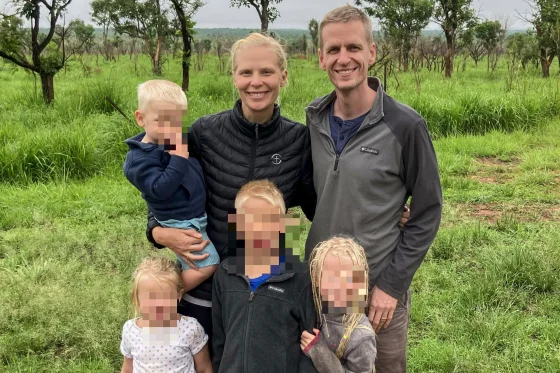
One of the most widely reported developments involved Dr. Peter Stafford, an American medical missionary who became infected while treating patients in the Congo. Stafford was flown to Berlin, Germany, where he is currently receiving treatment at a specialized isolation hospital. His family members were also transported to Germany and placed under observation because they were considered close contacts.
The outbreak has become especially concerning because the Bundibugyo strain is more difficult to manage than other forms of Ebola. Unlike the better-known Zaire strain, there are currently no licensed vaccines available for this version of the virus.
WHO Director-General Tedros Adhanom Ghebreyesus commented on the situation during an outbreak briefing. “This outbreak is a reminder that Ebola remains a constant threat,” he said through the official World Health Organization website.
Health organizations continue working to contain the virus through testing, isolation, and contact tracing as officials attempt to prevent further international spread.