
On competition day, a high school debate student in the Kanto region wakes up early to get ready. While getting ready, they quickly review their debate case and key points. On the train ride to school or the tournament, they read evidence, practice speeches in their head, and write down possible rebuttals in their notes.

During the school day, the student balances classes with debate responsibilities. Because debate competitions often last all day, they try to finish homework early in the week. They also use free time and train rides to study and edit arguments. Staying organized is important, so they keep all debate materials saved on their laptop and phone. The student makes sure to get enough sleep, usually around eight hours, to stay sharp during debates.
After school, debate practice begins. The team practices four to five times a week, with each session lasting about two hours. Practices include researching evidence, timing speeches, and doing full practice rounds. Coaches help students improve structure and teach them how to respond under pressure.
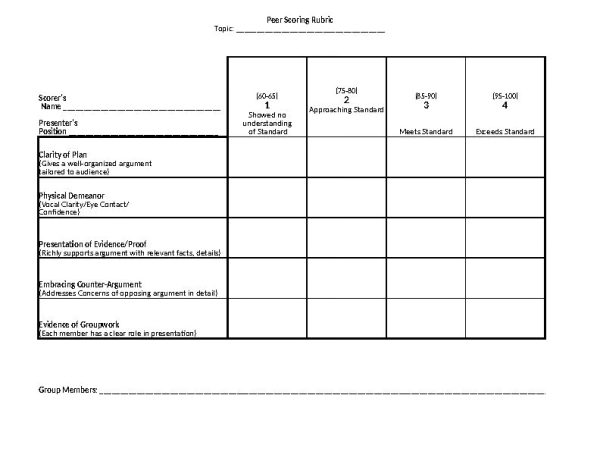
On competition day, the student debates multiple rounds and stays focused by reviewing notes between matches. Even when results are stressful, they support their teammates and stay positive. By the end of the day, the student feels tired but proud. Being a debate student requires strong time management, teamwork, and commitment, but the experience helps build confidence and important speaking skills that last beyond high school.