












At St. Mary’s, being an IB student often means balancing Internal Assessments, Extended Essays, CAS commitments, sports fixtures, music rehearsals, and regular homework, which is sometimes all in the same week. In a school culture that values education and the fine arts, sleep can easily become the first sacrifice.
But according to the American Academy of Sleep Medicine (AASM), teenagers need 8–10 hours of sleep each night for optimal health and performance. For many IB students, that number may feel unrealistic, but experts argue it is more important than ever.
For IB students juggling higher-level subjects and complex coursework, this is critical. Staying up until 1:00 a.m. to revise for a test may feel productive, but without proper sleep, concentration, critical thinking, and problem-solving skills decline the next day. Over time, chronic sleep deprivation can lead to inattentiveness, burnout, and even long-term health risks such as cardiovascular problems.
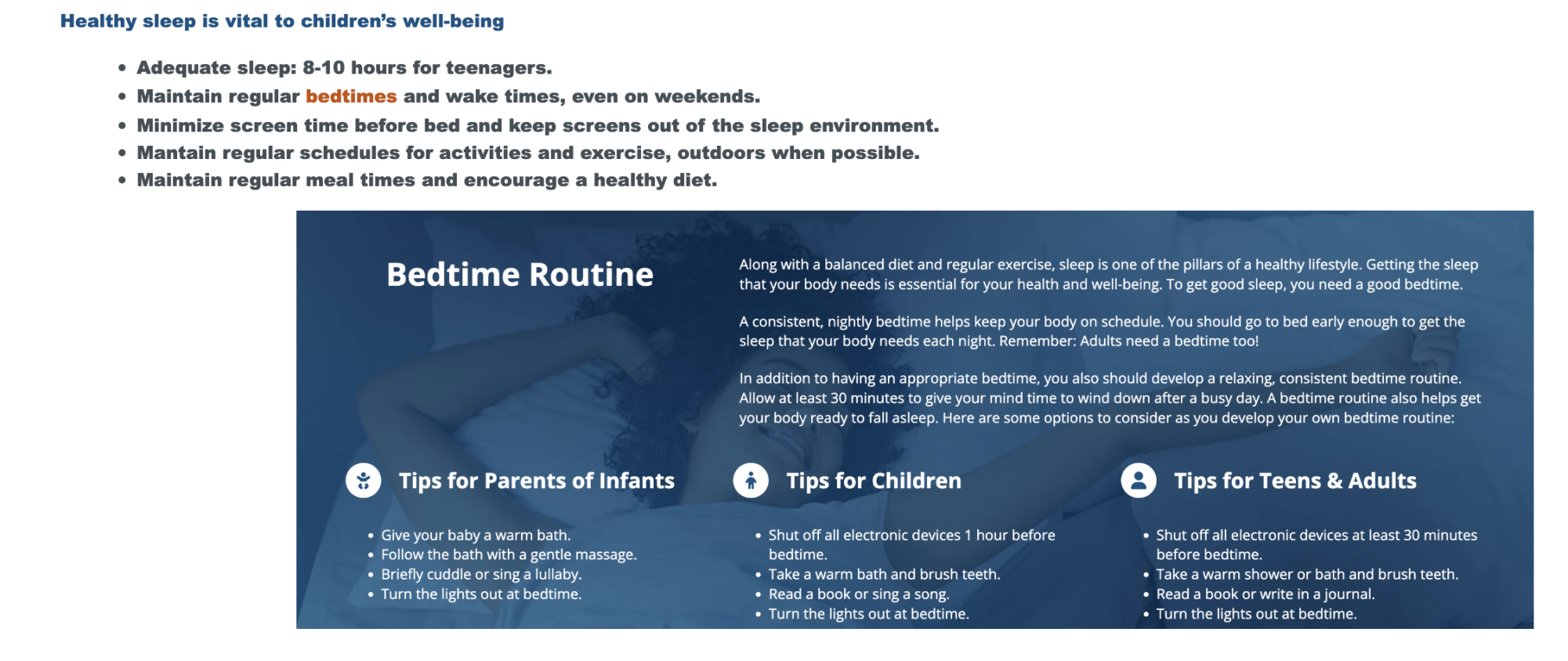
For IB students juggling higher-level subjects and complex coursework, this is critical. Staying up until 1:00 a.m. to revise for a test may feel productive, but without proper sleep, concentration, critical thinking, and problem-solving skills decline the next day. Over time, chronic sleep deprivation can lead to inattentiveness, burnout, and even long-term health risks such as cardiovascular problems. So, protecting sleep may be one of the smartest academic strategies available.
Here is a sleep calculator for students to predict what sleep times are the most healthy for them. sleep education calculator.
Ms Bingham also reminded us that our sleep schedule now is set for future, and that healthy sleep habits now will make us healthy in the future too.