











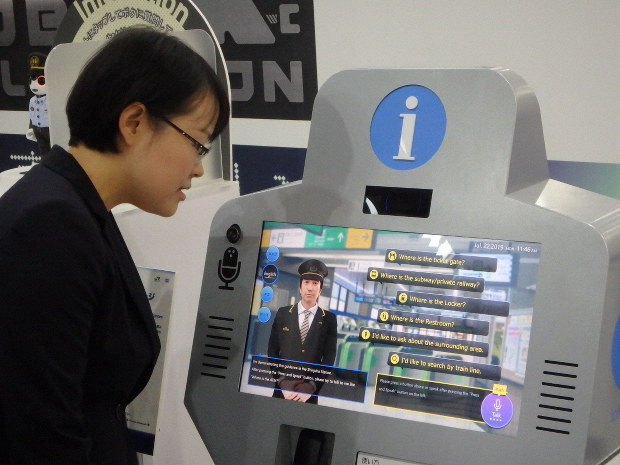

Japan has begun introducing artificial intelligence, or AI, into parts of its public transportation system. This marks another step in the country’s push toward smart infrastructure and automation.
Railway operators are testing AI-powered systems to help predict delays, manage crowded platforms, and monitor safety conditions in busy stations. Using data from cameras, sensors, and past train schedules, AI tools can quickly detect irregular patterns such as sudden congestion or service disruptions and assist staff in responding more efficiently.
In major cities such as Tokyo, where millions rely on trains every day, even small improvements can have a significant impact. Officials say AI can reduce human error, support station workers during peak hours, and improve communication with passengers when delays occur.
Beyond efficiency, safety is a major focus. Some systems are being tested to identify people who may need assistance on platforms or to detect dangerous behavior near tracks. Human staff remain fully in control, with AI acting as a support tool rather than a replacement.
The move also reflects broader challenges facing Japan, including an aging population and labor shortages. By using AI to assist workers, transportation companies hope to maintain high service standards while easing staff workloads.
As trials continue, experts stress the importance of balancing innovation with privacy and public trust. If successful, Japan’s rail system, already known for its reliability, could become a global model for how AI can be integrated into everyday life.
