












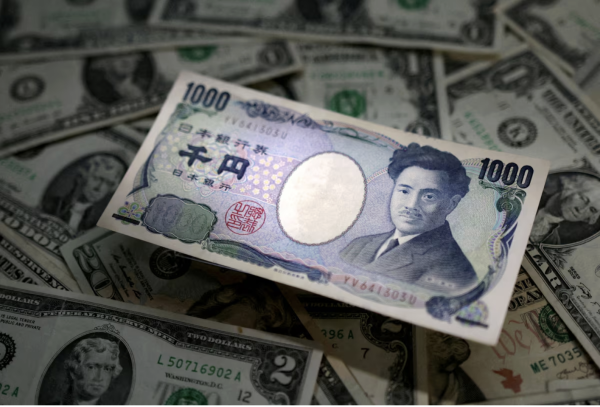
In recent months, many people in Japan have started to notice something unusual. Everyday items feel more expensive. Whether it is snacks at a convenience store or the cost of buying things online, prices seem to be rising. One major reason for this change is the weakening of the Japanese yen; the Yen is currently trading at 159 to $1.
The yen is Japan’s currency, and its value changes compared to other currencies like the U.S. dollar. Recently, the yen has become weaker, meaning it takes more yen to buy the same amount of foreign goods. This is influenced in part by decisions made by the Bank of Japan, which has kept interest rates low while other countries have raised theirs. As a result, the yen has lost value compared to many other currencies.
This change has a direct impact on daily life in Japan. Because Japan imports many essential goods such as food, fuel, and raw materials, a weaker yen makes these imports more expensive. For example, the price of wheat, cooking oil, and gasoline has increased, which then raises the cost of bread, instant noodles, and transportation. Even products bought online from overseas become more expensive due to exchange rates and higher shipping costs.
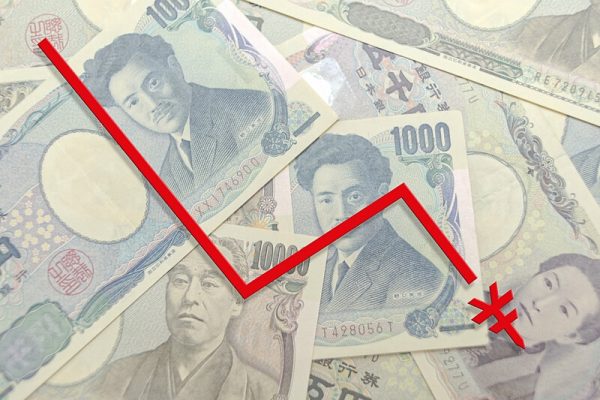
Students and families may especially feel these changes in small but noticeable ways. A trip to a convenience store might cost more than it did last year, and eating out or buying snacks may become less frequent. School supplies, electronics, and even clothing can also rise in price if they rely on imported materials.
However, a weak yen is not entirely negative. One group that benefits is the tourism industry. For visitors coming to Japan, a weaker yen makes travel cheaper, which has led to an increase in tourists, especially in cities like Tokyo. This helps hotels, restaurants, and shops earn more money, boosting parts of the economy.
In conclusion, the weakening yen has both positive and negative effects, but for many people living in Japan, the most noticeable impact is the rising cost of daily life. Understanding how currency values affect prices can help students better understand the economy and how global changes influence their everyday experiences
