












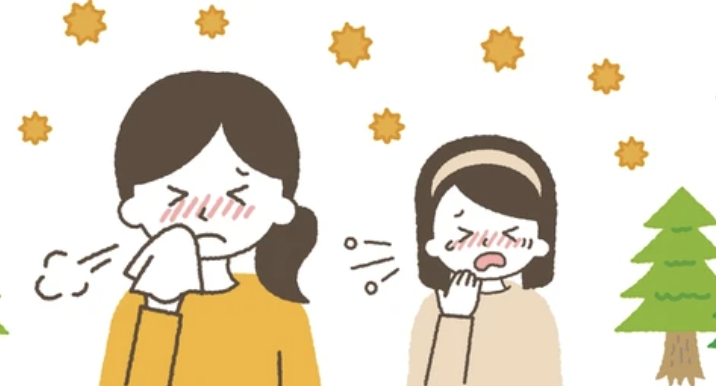
Every year, many people in Tokyo struggle with hay fever during the spring months. Caused mainly by cedar and cypress pollen, the season usually lasts from February to April. However, in 2026, the pattern will be slightly different.
According to a recent report by The Japan Times, pollen levels this year spread more quickly than usual, especially in western Tokyo. This means that a large amount of pollen was released earlier in the season, making symptoms more intense at the beginning.
As a result, experts suggest that the hay fever season may also end earlier than normal. Since much of the pollen has already been dispersed, there is less remaining to affect people later in the spring.
For many students and families, this brings mixed feelings. While the early weeks of the season were more uncomfortable, with stronger symptoms like sneezing and itchy eyes, the possibility of an earlier end offers some relief.
Hay fever remains a major issue in Japan, affecting millions of people each year. Its timing and severity often depend on weather conditions such as temperature and wind. This year’s faster pollen spread shows how these factors can change the experience of the season.
In conclusion, although hay fever in 2026 started off more intensely, it may finish sooner than expected. For those affected, this means enduring a stronger looking forward to an earlier return to comfort.
