













Students spend hours each day in school, often under pressure to perform. However, what if something as simple as laughter can relieve stress and make a measurable difference in academic achievement? In classrooms where stress is common, the role of humor may be more important than it first appears.
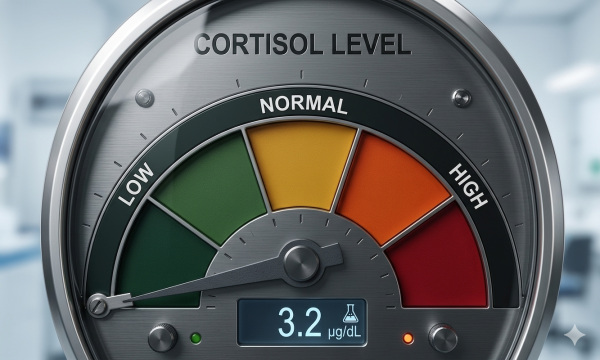
One reason humor may support learning is its effect on stress and focus. Academic pressure can make it difficult for students to concentrate, especially during tests or challenging lessons. When students laugh, cortisol levels decrease, helping them feel more relaxed and mentally prepared to learn. In this state, students may process information more effectively and remain engaged for longer periods.
Humor can also make lessons more memorable. A study conducted by Houston State University psychologist Randy Garner, PhD, suggests that students were more likely to recall a statistics lecture when it was interjected with jokes about relevant topics. A well-placed joke or lighthearted example can turn passive listening into active participation, encouraging students to ask questions and contribute to discussions.
The influence of humor is evident among students at St. Mary’s. Dan, a 9th-grade student at St. Mary’s, explained that “unexpected jokes and humor make classes more interesting,” suggesting that a more relaxed environment can increase motivation and attention. For instance, when a teacher says, “Get into pairs—if not, oranges!”, the unexpected twist catches students off guard and creates a moment of laughter. Such jokes can immediately regain attention, especially during long, tiring lessons. Instead of being forced, students respond naturally, becoming more alert and ready to participate.
However, humor is not always beneficial. While it can make lessons more engaging, excessive or poorly timed jokes may distract students from important content. In more demanding subjects or during exam preparation, a highly relaxed environment can reduce focus and productivity. Some students may also find humor unhelpful if it interrupts the flow of learning or makes it harder to take lessons seriously.
Ultimately, humor in the classroom can enhance academic achievement when used thoughtfully. It has the potential to reduce stress, improve engagement, and strengthen memory, but its effectiveness depends on balance. When integrated appropriately, humor becomes more than just entertainment. It becomes a valuable tool that supports learning rather than distracting from it.