











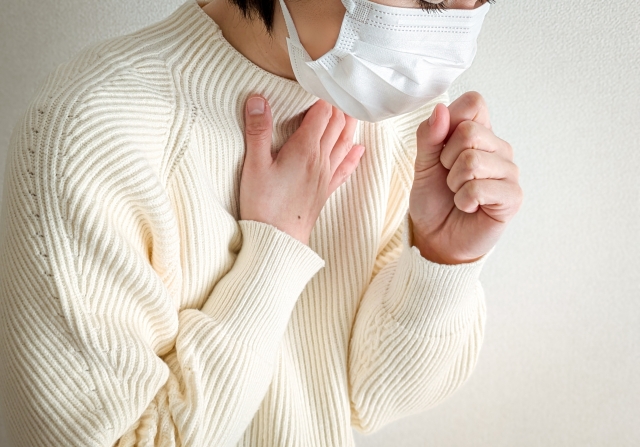
Recently, social media users in Japan and overseas have been discussing what many are calling a “mystery cold.” People online describe experiencing symptoms that feel stronger or longer-lasting than an ordinary cold, leading to growing concern and speculation. Although there is currently no officially recognized illness by that name, medical experts believe that a combination of seasonal respiratory viruses may be responsible for these reports.
The illness is often described as “mysterious” because many people say they tested negative for COVID-19 and influenza despite feeling seriously unwell. Doctors explain that standard rapid tests do not always check for viruses, meaning patients may not know the exact cause of their symptoms. As a result, many people turn to social media to compare experiences, further increasing public attention around the issue.
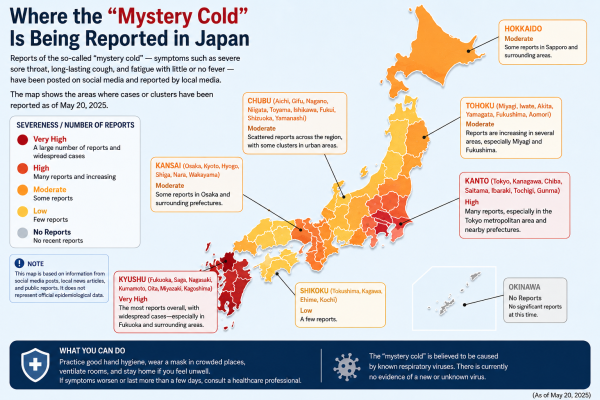
In Japan, public concern about infectious diseases has also become stronger in recent years. Reports about rising cases of severe streptococcal infections and other respiratory illnesses have made people more sensitive to unusual symptoms since the COVID-19 pandemic. However, experts emphasize that there is currently no evidence suggesting the spread of a completely new pandemic virus. Most cases appear to be linked to already known respiratory infections that continue to circulate seasonally.
Medical professionals continue to encourage people to follow basic infection-prevention measures. Washing hands regularly, covering coughs and sneezes, staying home when feeling sick, and wearing masks in crowded indoor areas can all help reduce the spread of respiratory illnesses. Doctors also recommend getting enough sleep, staying hydrated, and seeking medical attention if symptoms become severe or continue for an extended period of time.

Although the phrase “mystery cold” has become popular online, experts say the situation should not immediately cause panic. Instead, they advise people to remain informed, take reasonable precautions, and pay attention to their health. The current reports are most likely a reminder that respiratory viruses continue to evolve and spread, even after the height of the COVID-19 pandemic has passed.
