







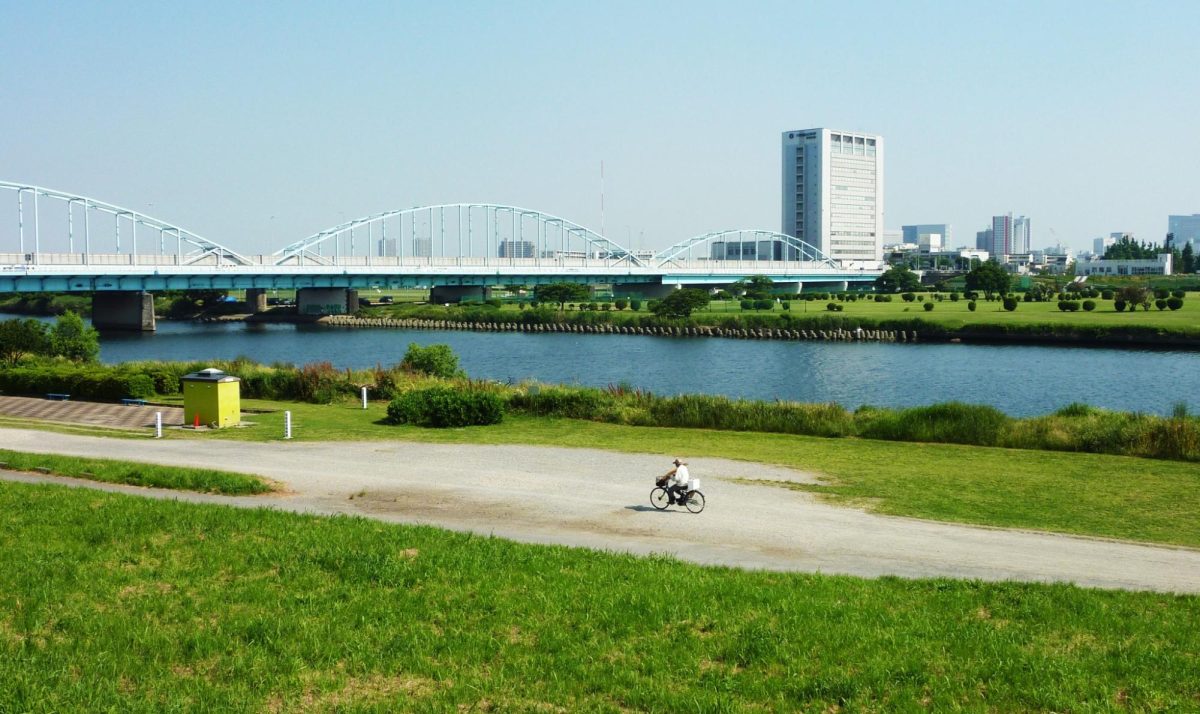
On May 14th, groups of Grade 8 students argued vigorously over who should take the “worst job” during a river clean-up session aimed at protecting the environment on the Tama River, resulting in garbage bags being left behind several times. Since all students are required to go without additional reason, some don’t mind leaving behind a stinky, dirty garbage bag.
At first, the bag was light and easy to manage; however, as groups continued picking up bottles, food wrappers, and other rubbish, it became increasingly heavy and dirty. Students began passing the bag between one another as they moved along the river. Although carrying the bag was not the most exciting job, it became an important part of the clean-up effort. Without someone to carry it, the collected rubbish could not be removed from the area. According to research conducted by 70 relevant participants, 21 reported having been involved in disagreements. This resulted in negotiation in the group, when some members tried to avoid carrying the bag for too long, while others took turns to ensure the work was shared fairly. “I already did it”, claimed Sora S(‘30), “he’s the one that did not do it”. Many disagreements had occurred because of similar conflicts. However, the survey also revealed mixed feelings about the clean-up itself. While 22.9% of the students strongly supported the clean-up effort, and 57.1% were neutral, 11.4 % said they were actually happy when the event was postponed. While some students may have appreciated the extra free time, the survey did not specify their reasons.
Although by the end of the clean-up, groups had collected a significant amount of litter, the survey highlights the challenges of motivating students to participate in community service activities. These disagreements over carrying the trash bag highlighted a challenge that goes beyond a school river clean-up – how groups distribute the unpopular responsibilities that are necessary. Even though everyone benefits from the work being done, agreeing on who should perform that work is difficult in many situations. This issue raises broader questions about fairness, distribution, contribution, and the expectations people have of one another when they are working toward a common goal. Despite these disagreements, people tend to get better at overcoming these conflicts and develop organizational skills.