











Japanese basketball has been gaining international recognition in recent years, with players proving that Japan can produce world-class talent capable of competing at the highest level. For decades, Japanese athletes were often overlooked in global basketball because of stereotypes about size, physicality, and playing style. Basketball powerhouses like the United States, Spain, and France dominated international tournaments, while Asian teams were rarely seen as serious contenders. However, that perception is rapidly changing. Japan’s recent success has reshaped how fans, scouts, and organizations view Japanese players and has inspired a new generation of young athletes back home to believe that playing on the world stage is possible.
This shift in confidence and identity was captured perfectly by Yuta Watanabe when he said, “I think it’s really important for us to represent our country… I wanted to change how they thought about themselves and the Japanese.” His statement reflects more than just personal ambition, it shows a desire to change how Japanese players see themselves. For many years, Japanese athletes grew up believing they could only go so far in basketball. Now, players like Watanabe and Rui Hachimura are proving that Japanese talent belongs alongside the best in the world.
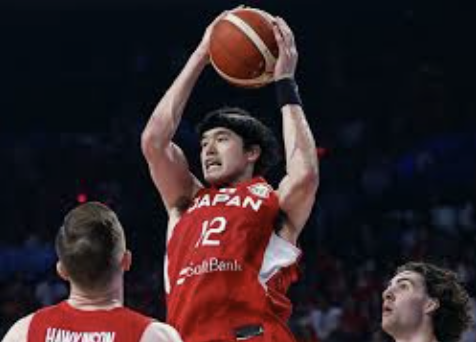
One of the biggest turning points for Japanese basketball came during the 2023 FIBA World Cup. Japan shocked many fans by winning three games and earning a spot in the 2024 Paris Olympics. As BasketNews reported, “Last year was a little bit of a turning point for us. We won three games at the FIBA World Cup, and people started watching more basketball games.” This success did not just improve Japan’s international reputation, it changed basketball culture inside the country. TV ratings rose, youth basketball programs gained more attention, and more kids started choosing basketball over traditional sports like baseball or soccer. For the first time, basketball felt like a national movement rather than a niche sport.
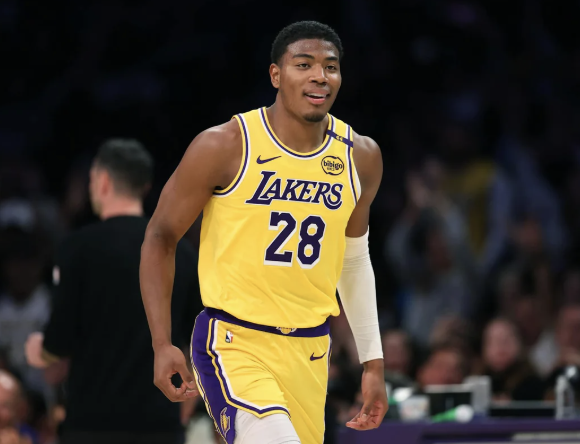
At the center of this rise is Rui Hachimura, one of the most important figures in Japanese sports history. When he was drafted ninth overall by the Washington Wizards in 2019, he became the first Japanese player ever selected in the first round of the NBA Draft. That moment alone broke barriers, but his performance on the court made it even more meaningful. Hachimura has become known for his strength, scoring ability, and versatility as a forward. His move to the Los Angeles Lakers further boosted his profile, putting him on one of the most famous teams in the world. Millions of Japanese fans now watch NBA games because of him, and he has become a role model for young players who dream of making it overseas.
Yuta Watanabe has also played a huge role in Japan’s basketball growth. While he was not drafted into the NBA, his journey is just as inspiring. He worked his way from college basketball in the United States to earning contracts with multiple NBA teams, including the Memphis Grizzlies, Toronto Raptors, Brooklyn Nets, and Phoenix Suns. Watanabe is known for his defense, hustle, and team-first attitude, qualities that have helped him survive in the highly competitive NBA. His story shows that Japanese players don’t need to be superstars to succeed; effort, intelligence, and consistency can carry them far. For young players in Japan, Watanabe represents perseverance and belief.
Japan’s basketball rise is not limited to the NBA. The B.League, Japan’s professional basketball league, has grown massively in popularity and quality since its launch in 2016. Before the B.League, Japanese basketball was divided into multiple leagues, which made it harder to develop strong teams and attract fans. The B.League unified the sport and brought in better organization, higher salaries, and more international players. As a result, Japanese players now face tougher competition at home, which prepares them better for international play.
Stars like Yuki Togashi of the Chiba Jets have been key to this growth. Despite being only 5’6”, Togashi is one of Japan’s most exciting players, known for his speed, shooting, and leadership. He proves that Japanese players can compete through skill and intelligence even when they are smaller than their opponents. The B.League has also attracted foreign players and coaches, which has helped improve playing styles, tactics, and overall basketball IQ across the country.

Another important factor in Japan’s basketball success is the influence of global basketball culture. Young players in Japan now grow up watching the NBA, learning modern skills like three-point shooting, ball movement, and positionless basketball. Social media, YouTube, and international camps allow Japanese athletes to train and learn from the best in the world. This has made Japanese players more versatile, more confident, and better prepared for elite competition.
Together, these changes have created a powerful momentum. Japan is no longer just trying to keep up, it is becoming a respected basketball nation. With stars like Rui Hachimura and Yuta Watanabe, a growing professional league, and a strong national team, the future of Japanese basketball looks brighter than ever. What once seemed impossible for Japanese players is now within reach, and the next generation is ready to push even further.