











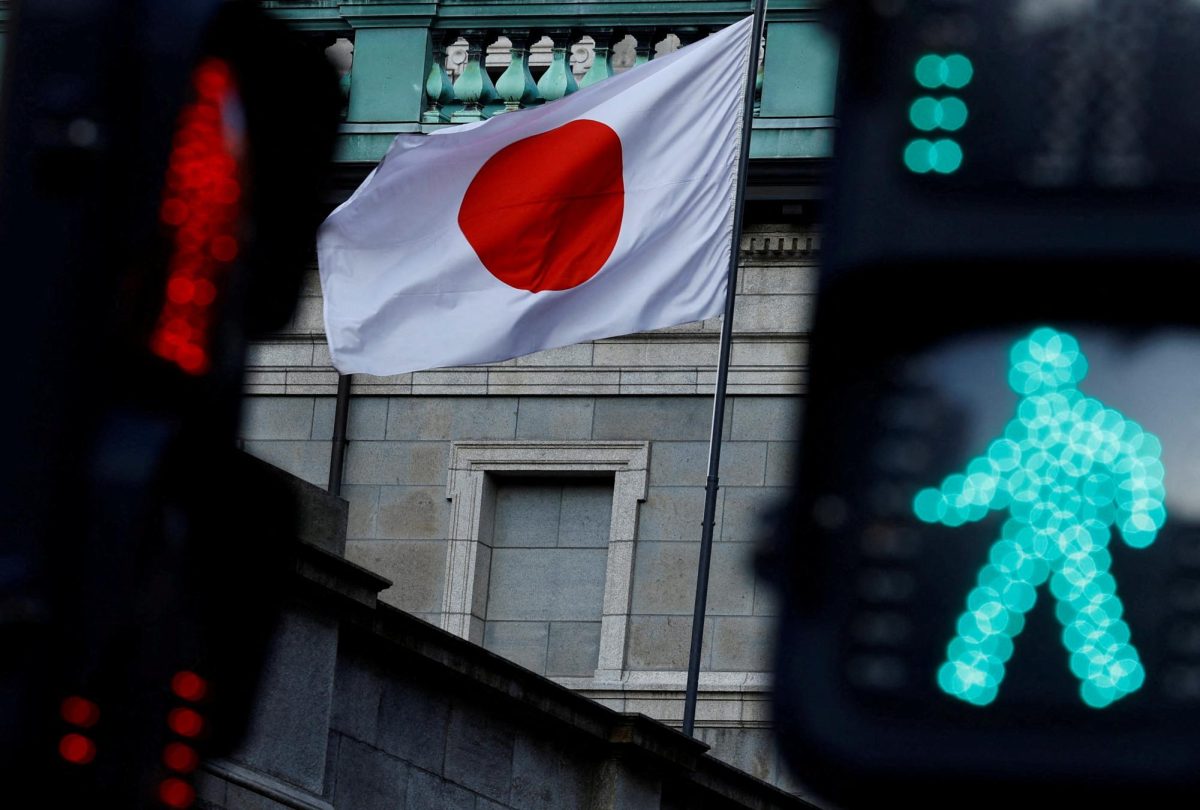
In the next year, Japan plans to increase visa fees for foreigners for the first time in almost 50 years. Until now, Japan’s visa issuance fee was relatively cheap, with a single-entry visa typically costing around ¥3,000, while a multiple-entry visa costing around ¥6,000. These prices haven’t changed since the late 1970s.
With tourist arrivals hitting record highs and infrastructure struggling to keep up, the government has announced a plan to increase both visa fees and the departure tax. But while the official explanation focuses on tourism management and revenue, the move also reflects the political direction of the current administration under Prime Minister Sanae Takaichi.
Prime Minister Takaichi has positioned herself as a leader focused on stricter, more controlled foreigner-related policies. Since taking office, she has formed a government council on managing foreign residents, pushed for stronger enforcement on visa overstays and illegal work, supported tighter rules on foreign land ownership, and advocated a disciplined approach to immigration and border policy. Although the government describes the visa fee hike as a financial and tourism-related measure, it fits neatly into Takaichi’s broader political message: Japan should maintain strict control over who enters, stays, and works in the country.
For international students, workers, and long-term residents, the visa fee increase could lead to higher costs for renewals, visa changes, and other residence-related procedures. Although it is not yet confirmed, these increases would make staying in Japan slightly more financially demanding. The move also fits into a broader trend of tighter inspections, stricter documentation requirements, and closer monitoring of foreign residents.