










Introduction
In 2009, Japan experienced one of the biggest political changes in its political history. The Democratic Party of Japan (DPJ) defeated the long-ruling Liberal Democratic Party (LDP) and came to power with high expectations. Many voters hoped the DPJ would end wasteful spending, build a more transparent government, and create new policies that directly benefited citizens.
However, during the next three years, the DPJ government struggled with budget problems, foreign policy mistakes, internal division, and the huge crisis caused by the 2011 Great East Japan Earthquake. Three different prime ministers—Yukio Hatoyama, Naoto Kan, and Yoshihiko Noda – led the government during this short period, each facing serious challenges.
This article explains the three DPJ administrations, their difficulties, and their political impact, and includes an exclusive interview summary with Mr. Keisuke Yamada, Political Correspondent for Jiji Press, who covered the politics of the time.
0. Background: Japanese Politics Before the DPJ Government
Before the Democratic Party of Japan (DPJ) came to power in
2009, Japan had been mainly led by the Liberal Democratic Party (LDP) for over 50 years, with only short interruptions. The LDP built strong ties with government ministries, business groups, and local politicians. Many Japanese felt that politics had become slow, predictable, and controlled by a small group of insiders.
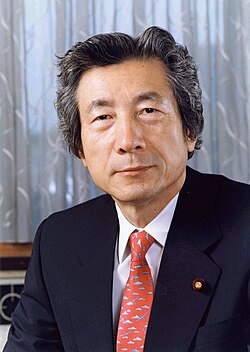
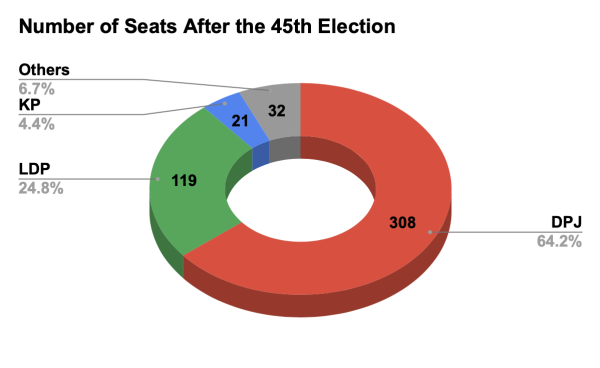
During the early 2000s, Prime Minister Junichiro Koizumi tried to reform the LDP with new ideas and strong leadership. His popularity was high, but after he stepped down in 2006, several weak LDP leaders followed. The global financial crisis of 2008 also hurt the economy and public trust. By 2009, many voters were frustrated and hoped for real political change. This led to the DPJ taking over the Japanese Government, with approximately 300 seats after the 45th election, while the LDP lost close to 200 seats, with only 119 left over.
1. The Hatoyama Administration (2009-2010)
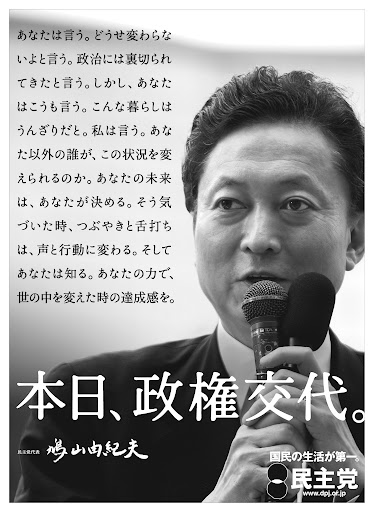
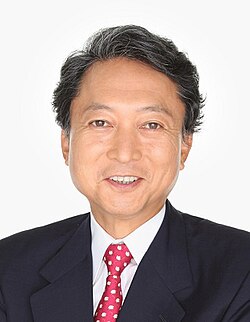
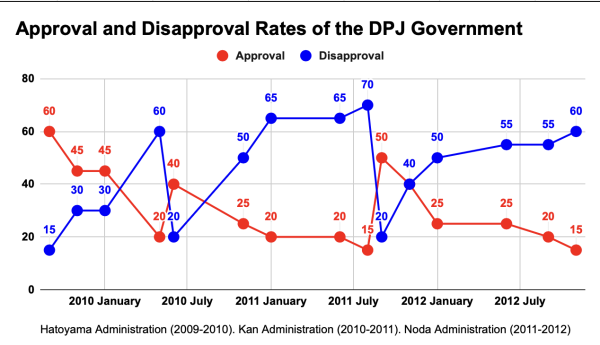
When Yukio Hatoyama took office in September 2009, there was strong excitement across Japan. Polls showed more than 60% public support. Hatoyama promised:
- reducing dependence on bureaucrats (official in a government department)
- eliminating wasteful spending
- giving more power to citizens and local communities
The DPJ also released a “manifesto” filled with popular ideas such as child allowances, free high school tuition, and lower taxes.
Soon after taking office, the DPJ realized that its promises required far more money than expected. The “project screening” process, designed to find wasteful spending, did not produce enough savings. As a result, the national budget exceeded 90 trillion yen for the first time. This revealed the weakness of the DPJ’s financial plans.
Mr. Yamada explains that the problem was not a structural issue, but the party’s unrealistic optimism. The DPJ believed eliminating waste alone could fund its policies, even though there was no strong evidence for this.
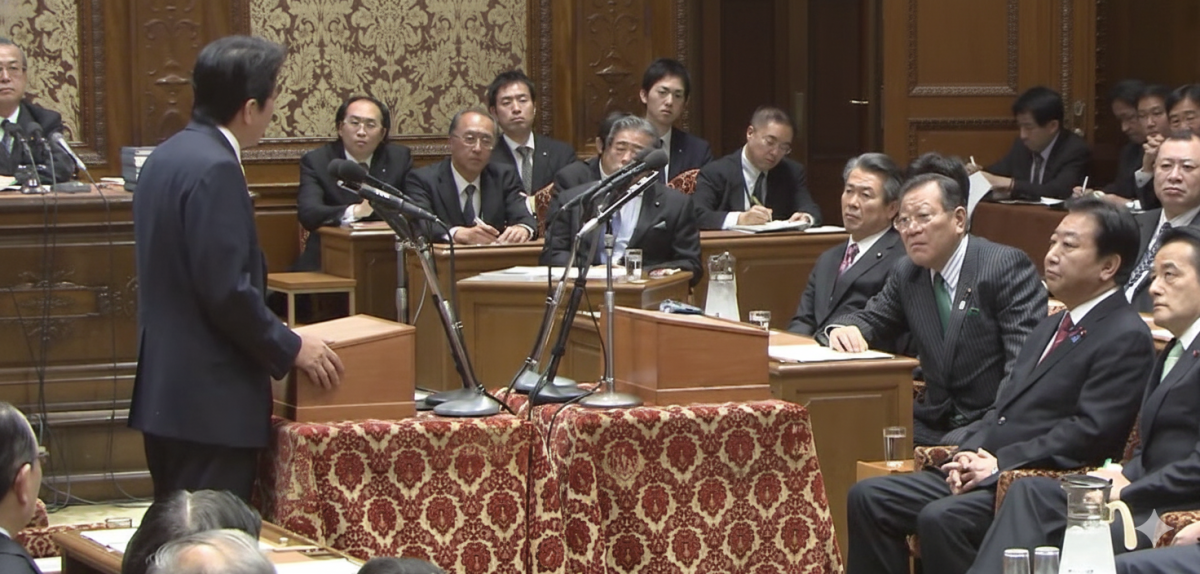
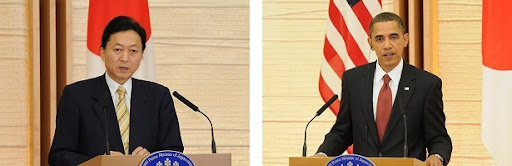
The biggest conflict during the Hatoyama administration was the U.S. Marine Corps Futenma Air Base in Okinawa. Before the election, Hatoyama explained the base should be moved “at least outside the Okinawa prefecture.” However, no realistic alternative was found. In 2009, Hatoyama told President Obama “Trust me,” but later returned to the original U.S. – Japan plans to relocate the base within Okinawa. This led to further confusion in the party, and to the government. After being said as “loopy prime minister”
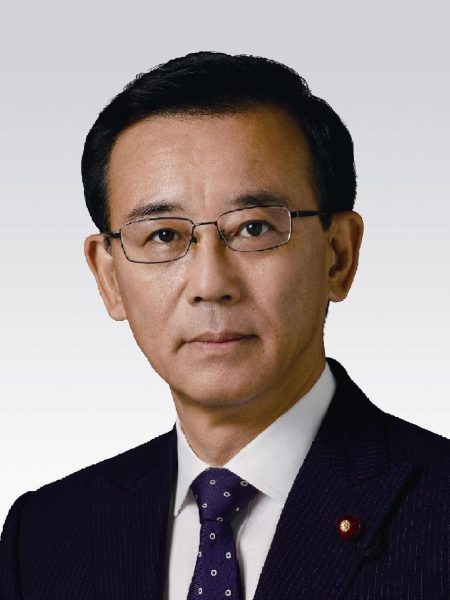
from the Washington Times, Sadakazu Tanigaki, LDP leader at that time, pressured him that the Japanese Prime Minister being said as “loopy” is a huge problem. Hatoyama answered this by saying “I might be a loopy prime minister….” This made the diet a huge uproar. Tanigaki replied that the prime minister should never call himself loopy, and if he thinks like that, he should retire immediately.
According to Mr. Yamada, the policy reversal, including the “trust me” remark, was the main cause of the United States losing trust in Japan.
A political funding scandal involving Ichiro Ozawa, a powerful DPJ leader, weakened the administration. With party unity collapsing and elections approaching, both Hatoyama and Ozawa resigned in June 2010.
2. The Kan Administration (2010–2011)
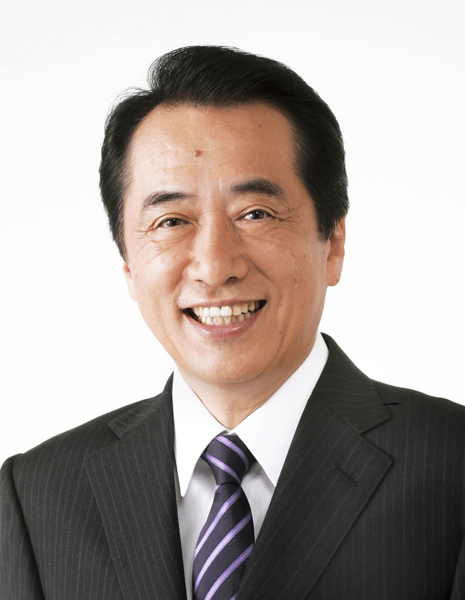
Naoto Kan took over, but quickly faced trouble. During the 2010 Upper House election campaign, he suggested raising the consumption tax, causing voter confusion. The DPJ lost the election, creating a “twisted Diet,” which made the government very difficult to move.
In September 2010, a Chinese fishing boat hit Japanese patrol vessels near the Senkaku Islands. The country arrested the captain, but later released him after strong Chinese pressure. The inconsistent response damaged Japan’s diplomatic image and weakened public trust.
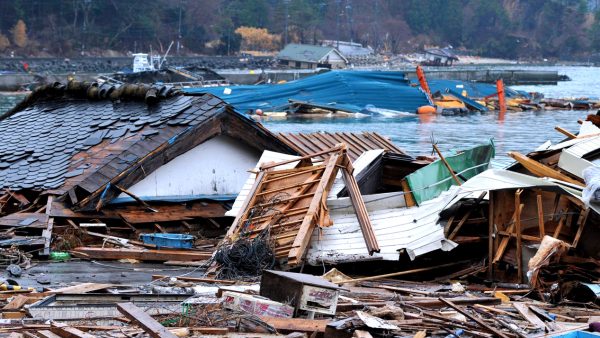
On March 11, 2011, a massive earthquake and tsunami struck northeastern Japan, causing huge destruction. The Fukushima Daiichi nuclear plant also experienced a serious meltdown due to the tsunami.
Mr. Yamada explains that:
- the prime minister’s office and ministries were disorganized
- Kan tried to control the situation personally
- communication was poor
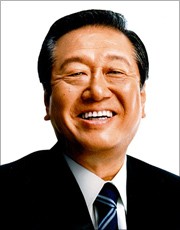
Ichiro Ozawa. Photo from DPJ.
He notes, however, that the situation was extremely urgent and difficult, and it is not clear that an LDP government would have done better.
Ichiro Ozawa opposed Kan’s leadership and attempted to gather supporters to challenge him. With internal conflict growing and approval ratings falling, Kan promised to resign after key bills passed. He stepped down in August 2011.
3. The Noda Administration (2011-2012)
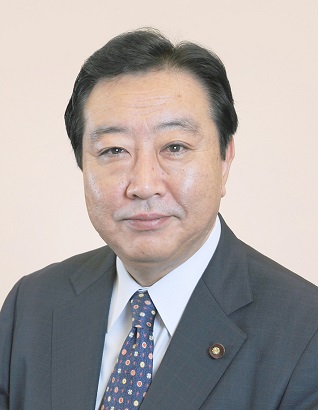
Yoshihiko Noda became the third DPJ prime minister in just over two years. He tried to heal the party by appointing politicians close to Ozawa and stressing “no sides in the party.”
Noda believed a consumption tax increase was necessary to stabilize Japan’s finances. However, Ozawa and other members said this violated the 2009 DPJ manifesto.
The conflict between the two sides grew into a major party split.
Mr. Yamada explains that both policy disagreements and internal power struggles were involved.
To pass the tax bill, Noda worked with the LDP and Komeito (KP). This was necessary to pass laws but angered many DPJ members. Noda also agreed to dissolve the Diet “in the near future,” which allowed the LDP to prepare for a strong comeback.
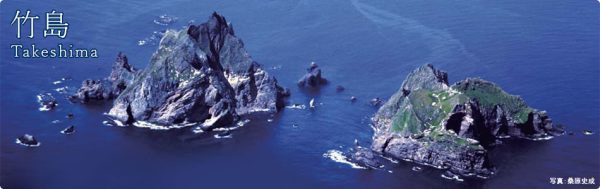
During Noda’s term:
- Japan nationalized the Senkaku Islands
- Happened because the support rate of the Noda administration was low
- Violent anti-Japanese protests occurred across China
- South Korean President Lee Myung-bak landed on Takeshima
- Claimed that the Takeshima Island is a part of the South-Korean territory
These events created a sense that Japan’s diplomacy was weak.
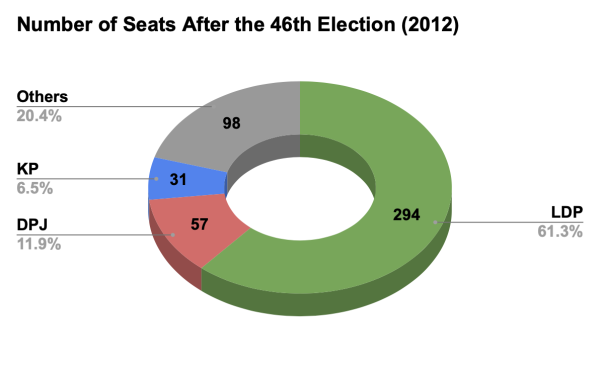
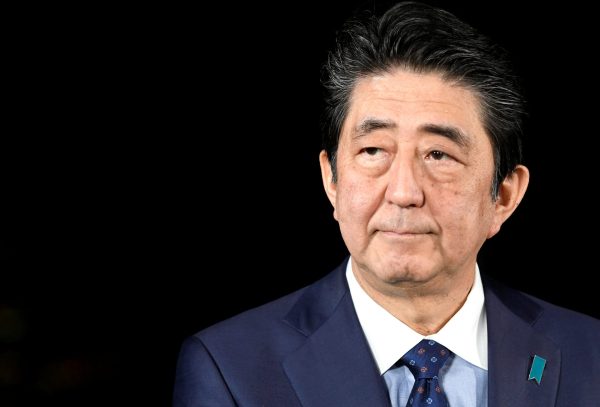
In the 2012 general election, the DPJ suffered a major defeat. Shinzo Abe and the LDP returned to power with a large majority, beginning a long period of LDP dominance.
4. Interview Insights from Mr. Keisuke Yamada (Jiji Press Political Correspondent)
To better understand the DPJ government, an interview was conducted with Mr. Keisuke Yamada, who reported on politics during that period. His insights help explain why the DPJ struggled and how it changed Japanese politics.
Mr. Yamada says the main cause was Japan’s policy reversal on the Futenma issue. The government promised one thing but returned to the original plan, creating serious distrust.
He explains that the DPJ believed cutting waste would create enough money for major new programs. This was unrealistic, and the party let optimism and election goals guide its decisions rather than strict financial planning.
According to Mr. Yamada:
- the prime minister’s office tried to lead too directly
- communication with ministries was weak
- confusion was unavoidable due to the scale of the crisis
He notes that no evidence suggests an LDP government would have managed the disaster much better.
Mr. Yamada argues that the split was caused by both policy differences and power struggles, especially between Ozawa and later prime ministers Kan and Noda. This internal conflict made stable governance almost impossible.
He believes DPJ foreign policy missteps contributed heavily to voter distrust and helped the LDP recover power. The DPJ’s divisions also encouraged the rise of “third force” parties.
He felt the government lacked strong leadership and governance ability. The party was too divided, and many members had little experience managing a national government.
However, he also states that the DPJ should not be judged only on the disaster response, because the situation was extremely difficult for any administration.
Mr. Yamada highlights several areas:
- The “project screening” system failed to create enough savings.
- The Futenma issue was handled poorly and damaged Okinawan trust.
- The DPJ did not treat bureaucrats as partners, missing chances for cooperation.
Later, DPJ leaders admitted they should have respected bureaucrats more.
Mr. Yamada says the 2009 election looked like a major shift, but in the long run, it may have been an “illusion.”
He notes:
- conservative forces grew stronger
- liberal forces weakened
- Japan returned to LDP-dominant politics
He argues that the DPJ missed a rare chance to reshape Japanese politics.
5. Long-term Impact of the DPJ Government
The DPJ era influenced Japanese politics in several important ways:
- The LDP returned with stronger dominance than before.
- Parties opposing the LDP became more fragmented.
- Public trust in government change weakened.
- Japan’s political center shrank while right-leaning politics expanded.
Many analysts see the DPJ period as a lesson in the challenges of governing, especially for a party with diverse views and limited experience.
Conclusion
The Democratic Party of Japan government began with great hope but soon faced strong obstacles in budgeting, diplomacy, crisis management, and internal unity. Each prime minister struggled with different challenges, and the combination of inexperience and internal conflict prevented the DPJ from building a stable administration.
The interview with Mr. Keisuke Yamada shows that while the DPJ made mistakes, it also faced extremely difficult circumstances and structural barriers. Today, the DPJ era reminds us of both the possibilities and the limits of political change in Japan.