









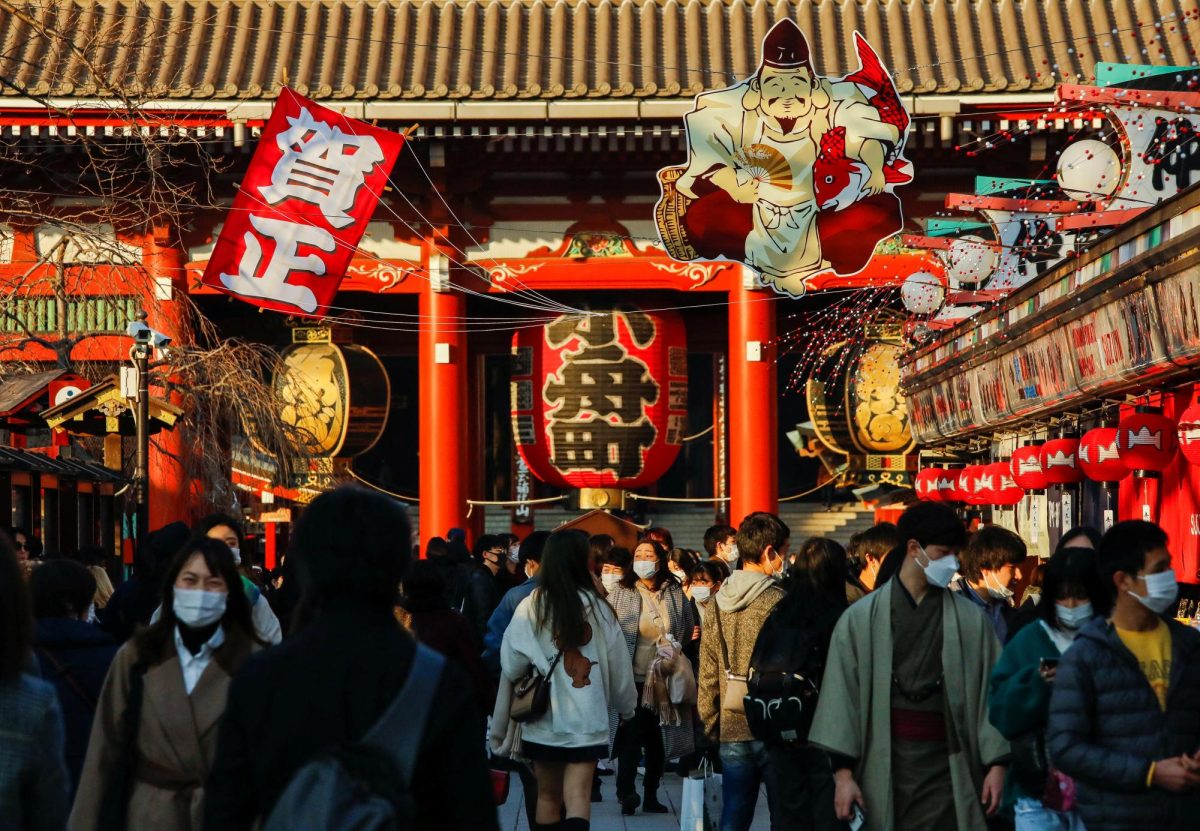
A new year has dawned. Like most other nations, Japan also welcomed the new year, but with traditions that place a strong emphasis on reflection, gratitude, and togetherness. New Year’s Day is considered more significant than many other holidays in Japan, marking not only the beginning of a new calendar year but also a time to reset one’s mindset and start anew. Shōgatsu(正月), the Japanese New Year’s Day, is celebrated with family gatherings, shrine visits, and special foods.
Shōgatsu (正月) is one of the most important holidays in the country and is often celebrated over several days rather than just one. Normally, most countries close from December 29th to January 3rd to celebrate the significant holiday. Families come together to clean their homes before the new year, symbolizing the removal of bad luck from the previous year. Also, on January 1st, many people take part in Hatsumōde, the first shrine or temple visit of the year, where they pray for health, success, and happiness. Japanese Traditional Foods, called osechi ryōri, are also eaten during the period. Each dish has a specific symbolic meaning, such as good fortune, prosperity, or long life. These customs are some of the most famous and widely-celebrated customs in the Japanese New Year’s Day.
Even though it is the same “New Year’s Day,” Japan’s New Year’s Day is very different compared to other countries’ New Year’s. In countries such as the United States and the United Kingdom, New Year’s celebrations are often centered on fireworks, concerts, and midnight countdowns. Japan, however, focuses less on public celebrations and more on personal reflection, spending time with family, visiting shrines and temples, and following long-standing cultural traditions.