












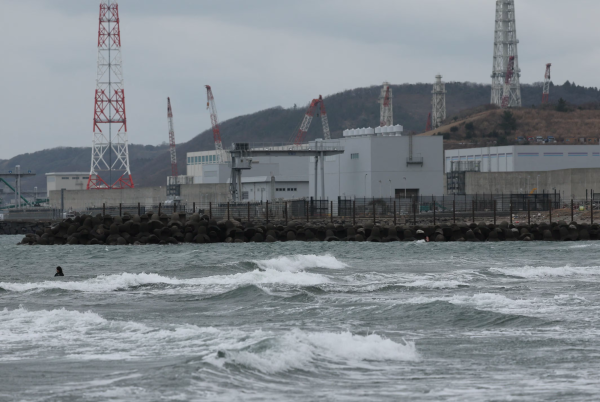
The Kashiwazaki-Kariwa Nuclear Power Plant has started generating electricity again. This is an important moment for Japan’s energy policy. It is the first nuclear power plant connected to the Kanto-area power supply to restart since the 2011 accident at the Fukushima Daiichi Nuclear Power Plant.
After the Fukushima disaster, all nuclear power plants in Japan were shut down. The government created much stricter safety rules, and power companies were required to improve their facilities. Kashiwazaki-Kariwa spent many years making safety upgrades and passing detailed inspections. New measures include stronger protection against earthquakes and tsunamis, improved cooling systems, and better emergency response plans.
The plant is one of the largest nuclear power stations in the world. Because it can produce a large amount of electricity, its restart is expected to help stabilize power supply in eastern Japan. Japan imports much of its fuel, such as oil and natural gas, from overseas. Restarting nuclear power can reduce energy imports and may help lower electricity costs over time.
Nuclear energy also produces very low carbon dioxide emissions during operation. For this reason, the government sees it as part of Japan’s plan to reduce greenhouse gas emissions and fight climate change.
However, the restart remains controversial. Some residents in Niigata Prefecture are still worried about safety. They question whether evacuation plans are strong enough in case of a serious accident. Others believe nuclear energy is necessary to support Japan’s economy and energy security.
The restart of Kashiwazaki-Kariwa shows how Japan is carefully returning to nuclear power while trying to balance safety, public trust, and stable energy supply.
