










Even though the tragedy happened before many of the students at St. Mary’s were alive, still more than 2,500 people are still officially missing. Families continue to search for answers and remember the lost, even if investigation hasn’t given them an answer for more than a decade.
In the days before the disaster, people in northeastern Japan had already felt several smaller earthquakes. These tremors were signs that strong pressure was building deep under the sea. However, most people did not expect the coming earthquake to be so powerful.
At 2:46 p.m. on March 11, a massive earthquake struck off the coast of northeastern Japan. It was one of the strongest earthquakes ever recorded in the world. The shaking lasted for several minutes and was felt across a wide area of Japan. Buildings shook strongly in Tokyo too, but most people thought it was just a “ordinary event” but just a bit stronger.
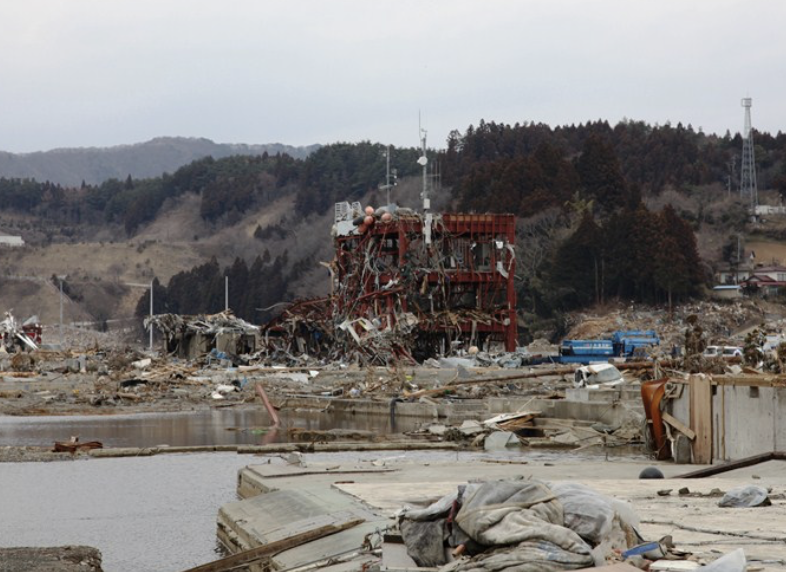
However, closer to the Tōhoku region, the situation was very different. Near the epicenter of the 2011 Tōhoku Earthquake and Tsunami, the shaking was much stronger and more violent. In coastal cities and towns in Miyagi Prefecture, Iwate Prefecture, and Fukushima Prefecture, buildings collapsed, roads cracked, and power was quickly lost. People had trouble standing because the ground moved so strongly. Many residents immediately tried to move to higher ground because they knew a tsunami could come after such a large earthquake. For them, it was clear that this was not a normal earthquake but a very serious disaster.
Soon after the earthquake, a tsunami warning was issued. However, some people believed the tsunami would be small, like previous ones that had hit the region in the past.
Because of this, not everyone evacuated immediately. In some places, people even went to the seashore to watch the waves or check the situation. Sadly, this delayed reaction cost many lives.
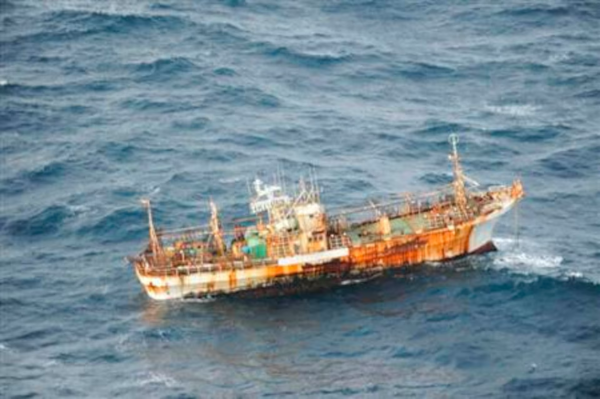
A short time later, huge tsunami waves reached the coast. In some areas, the waves were more than 10 meters high. The water moved very quickly and destroyed towns along the coast of the Tōhoku region. Houses, schools, fishing boats, and cars were swept away by the powerful water. More than 18,000 people died in the disaster. However, more than 2,500 people are still missing today. Police officers and volunteers still search beaches, forests, and coastal areas, hoping to find remains or clues that can bring closure to families.
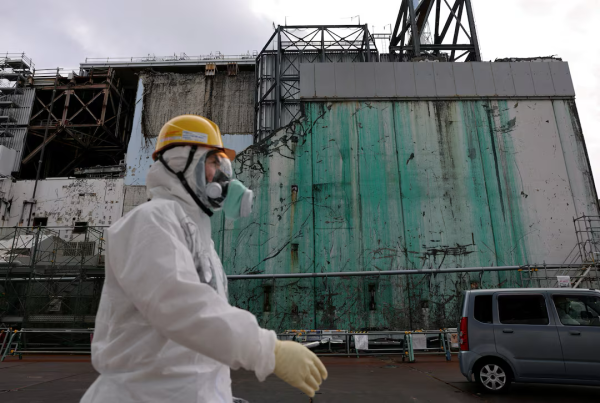
The disaster also caused a major nuclear accident at the Fukushima Daiichi Nuclear Power Plant. The tsunami flooded the power plant and destroyed important cooling systems. As a result, several nuclear reactors melted down. Large areas around the plant had to be evacuated because of radiation. Many people were forced to leave their homes, and some communities are still recovering today.
The day after the main disaster, another earthquake struck in central Japan. This event is known as the 2011 Nagano earthquake. It hit near the village of Sakae, Nagano Prefecture. Buildings were damaged and roads were blocked, and heavy snow made rescue work difficult. Although the damage was smaller
than the tsunami disaster, it still caused injuries and destruction in the area.
Over the past 15 years, many towns in northeastern Japan have been rebuilt. New seawalls, higher evacuation areas, and better warning systems have been created to help protect people from future disasters. Even so, March 11 remains a very important and emotional day in Japan. Families, communities, and the nation continue to honor those who died and those who are still missing, while also learning lessons to prepare for future disasters.
