













In a historic decision, the Bank of Japan has officially ended its long-standing negative interest rate policy. This marks a major turning point in Japan’s economy and signals that the country may finally be moving away from years of slow growth and falling prices.
For many students, this might sound like complicated economic news. However, this decision could directly affect everyday life, from savings to future job opportunities.
For years, Japan kept interest rates below zero, meaning banks were charged for holding money. This unusual policy was introduced to encourage banks to lend more and increase spending in the economy. The goal was to fight deflation, a situation where prices stay low or fall, which can slow economic growth.
In March 2024, the Bank of Japan raised interest rates slightly from negative levels to around 0 to 0.1 percent. This was the first interest rate increase in many years and ended nearly a decade of negative rates. The decision suggests that Japan’s economy is improving, with rising wages and more stable prices.
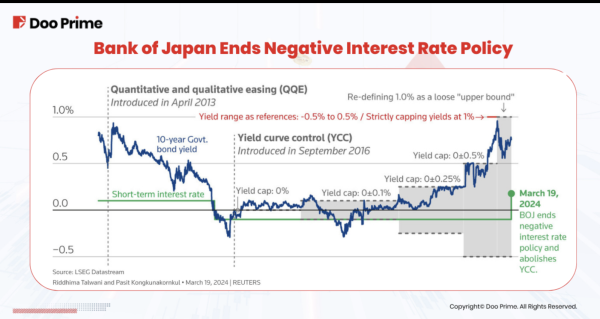
Even though the change seems small, it can have real effects on daily life. Loans may become more expensive, meaning borrowing money for things like homes or businesses could cost more. At the same time, savings may finally earn interest, allowing people to gain small returns from money kept in banks. The government also hopes this change will help keep prices stable while supporting economic growth.
This policy shift may shape the future that today’s students will enter. A stronger economy could mean more job opportunities, while higher interest rates could affect future costs such as housing or loans. It also shows that Japan is moving toward a more stable and typical economic system after years of unusual policies.
However, not everything will change immediately. Interest rates are still very low, and the Bank of Japan is expected to increase them slowly. This means the effects will happen gradually rather than all at once.
In conclusion, Japan’s decision to end negative interest rates is an important step for the country’s economy. While the impact may not be obvious right away, it will influence spending, saving, and future opportunities. For students, it is a clear example of how economic decisions can affect everyday life.
