












Over the past two weeks, the Strait of Hormuz has become a site of intense shipping whiplash. Following a brief and hopeful 48-hour window where the passage was declared open for commercial traffic, a new flare-up in the conflict between the United States and Iran has forced a second total closure. This cycle is creating a nightmare for global trade, but for an island nation like Japan, the stakes are even higher. The uncertainty of whether a ship can safely pass through the Strait is proving to be almost as damaging as a permanent blockade.
Japan relies on the Middle East for over 90% of its crude oil, and nearly all of it must pass through this single point of conflict. When news broke last week that the Strait was temporarily opening, oil prices began to stabilize, and there was hope that the energy crisis might ease. However, as soon as the passage was re-closed following fresh naval standoffs, prices at Japanese gas pumps spiked once again, hitting record highs of over 180 yen per liter. This volatility makes it impossible for Japanese businesses to plan ahead. When energy costs change by the hour, everything from the price of a bus ticket to the cost of running a school heating system becomes unpredictable.
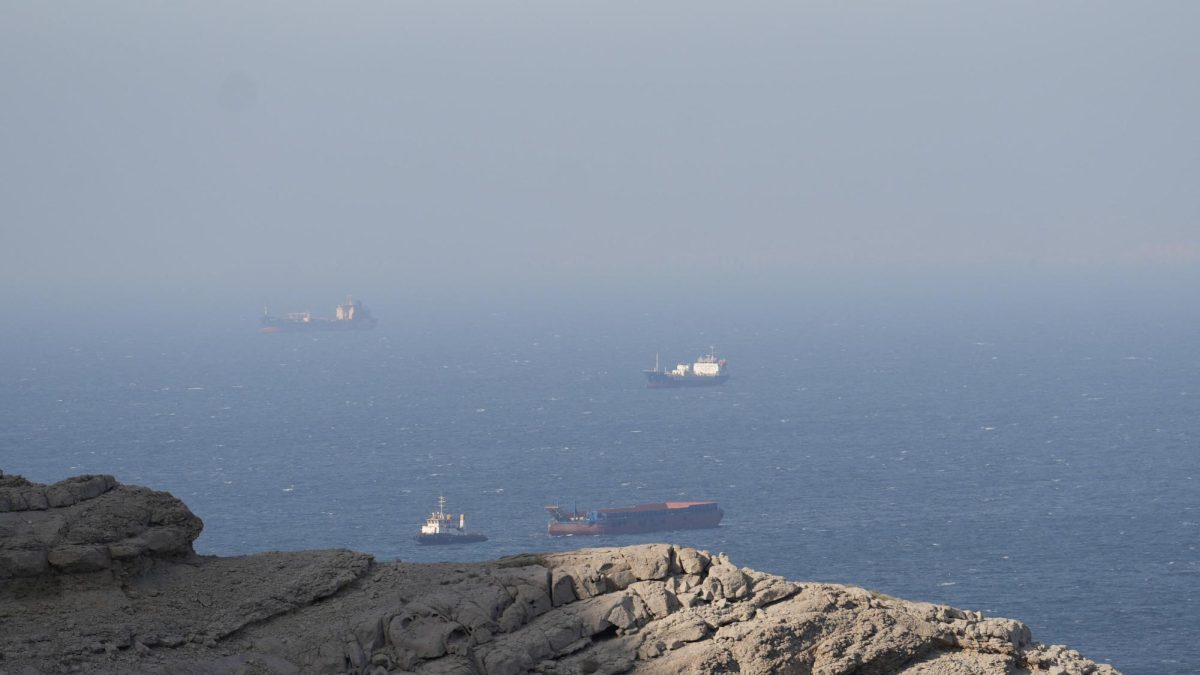
Huge oil tankers are currently staying in the ocean, essentially waiting in a massive parking lot at sea. When the Strait opened briefly, dozens of ships rushed toward the entrance, only to be told to turn back or drop anchor when the conflict flared up again. For Japanese shipping companies, this is an expensive disaster. Idling a single massive tanker can cost tens of thousands of dollars a day. Many companies are now giving up on the Strait entirely and choosing the “long way” around the southern tip of Africa. This journey takes weeks longer and burns significantly more fuel, which ultimately means that the products we buy, from electronics to imported food and many more, will stay expensive for much longer than originally expected.
As we look toward the rest of 2026, Japan is caught in a difficult diplomatic balancing act. The government is desperately trying to help negotiate a permanent reopening of the Strait while also digging deep into the nation’s strategic oil reserves to keep the lights on. This crisis serves as a harsh reminder of how much our daily lives in Japan depend on peace in a region halfway across the globe.