










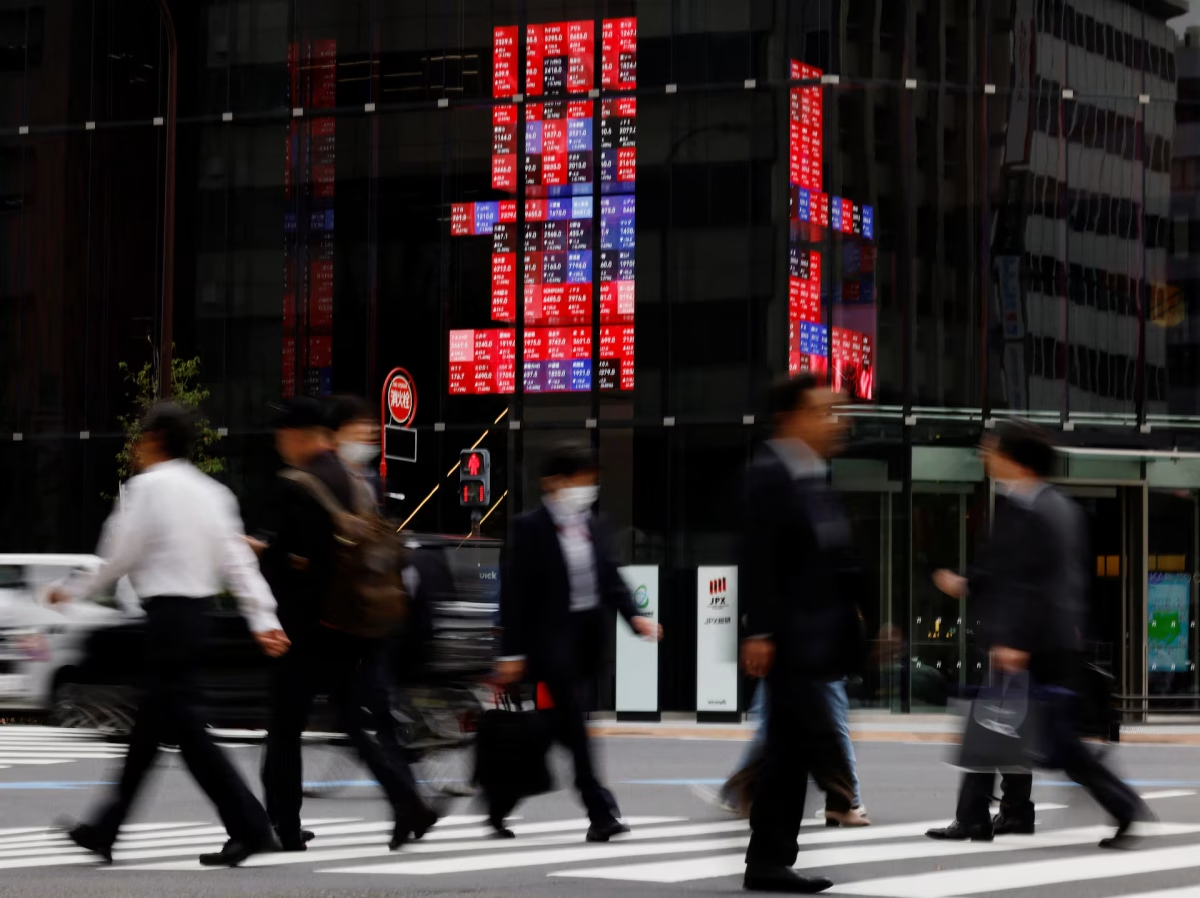
Japan is facing a “new” wave of price increases. The cost of food and everyday goods is going up, putting pressure on families across the country. For many years, prices in Japan stayed the same or even went down. Now, the country is seeing a big change, with prices rising because of both global and local reasons.
One of the biggest changes is in food prices. Basic items like rice, bread, and packaged foods have become more expensive. In 2026, food prices (not including fresh food) went up by about 5–6% compared to last year. This comes after many price increases in 2025, when thousands of food and drink products became more expensive. Even simple activities are costing more. For example, cherry blossom viewing in spring is now more expensive. Things like bento boxes and drinks for picnics have gone up a lot—about 25% higher than in 2020. Popular foods like rice balls and soft drinks have seen some of the biggest price jumps, sometimes over 40%.
There are several reasons for these price increases. First, the Japanese yen is weaker, so it costs more to buy goods from other countries. This is important because Japan imports a lot of energy and raw materials. Also, problems in global supply chains and higher prices for materials have pushed costs up. At the same time, wages in Japan are starting to rise, and companies are raising prices to cover higher labor costs. Because of this, not only goods but also services are becoming more expensive. For families, this price-hike is a big conflict. Even though wages are going up a little, they are not rising as fast as prices. People are cutting spending, choosing cheaper products, or saving less money.
The government is looking for options to help by giving fuel subsidies and thinking about lowering or freezing some taxes on food. However, experts say these are only short-term solutions and do not fix the main causes of inflation. Even though overall inflation has slowed a bit, prices are still rising. Japan’s long period of low or falling prices seems to be ending. Now, higher prices may become normal, and the Bank of Japan must find a way to control inflation while keeping the economy strong.