









Golden week is arguably the most anticipated period of holiday on the Japanese calendar. It is four national holidays lined up together, which creates a rare window where the whole nation gets a week off from work.
The term “Golden Week” did not actually originate from the government or a historical event, but it actually came from the film industry. According to Nippon.com, this term was coined first in 1951. In 1951, the week containing these holidays saw a record-breaking high for ticket sales for the movie Jiyu Gakko.
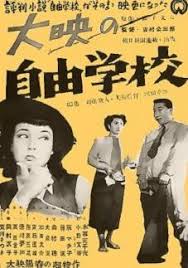
The managing director of Daiei Film Co. was inspired by the radio term “Golden Time” and created the term “Golden Week” to encourage more people to spend their time at the cinema during this period of holidays. The holidays are the following
Showa day (Apr. 29): Birthday of Emperor Hirohito.
Constitution Memorial Day (May 3): Commemorates the 1947 enactment of the Constitution
Greenery Day (May 4): A day to commune with nature and acknowledge the Emperor’s love for nature.
Children’s Day (May 5): A day to celebrate children’s happiness, traditionally marked by flying koinobori.
Today, Golden Week is as much about modern economics as it is about tradition. It is the peak of domestic tourism, where millions of people board bullet trains to return to their hometowns or visit tourist hotspots that they did not have the time for before. While the “Golden” period can be extremely crowded, it remains a cultural time for the nation and families. However, most people only see this period as a “pause” button for their work and academics, where they can finally enjoy sleeping in and playing out.